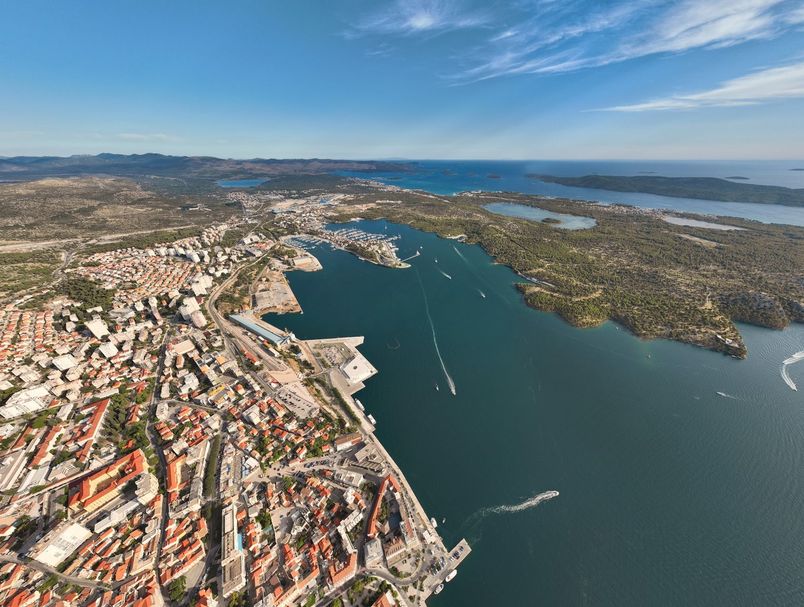
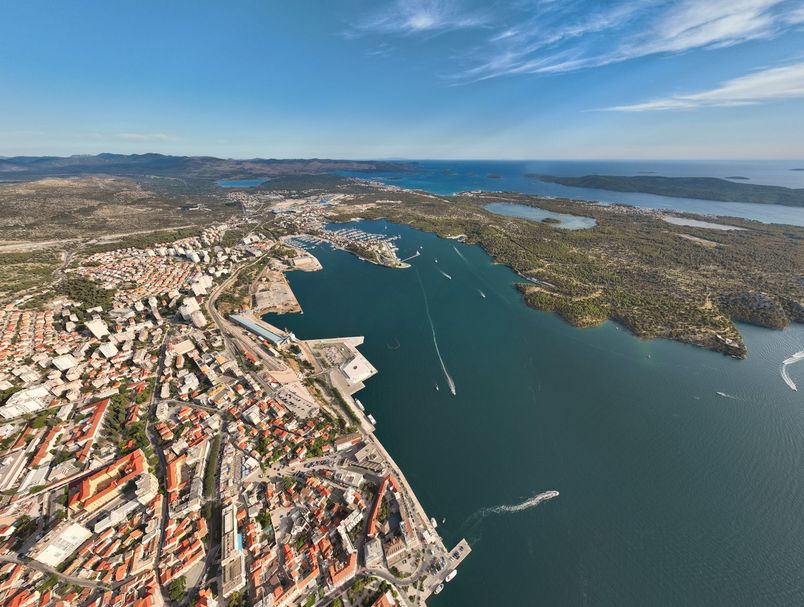
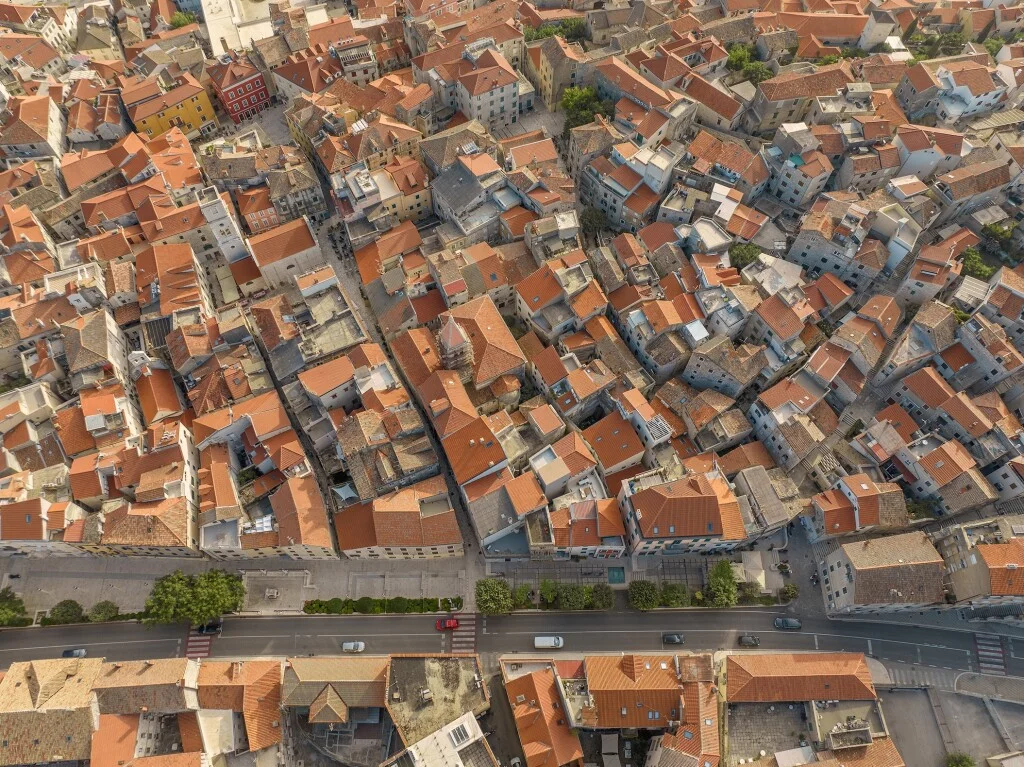
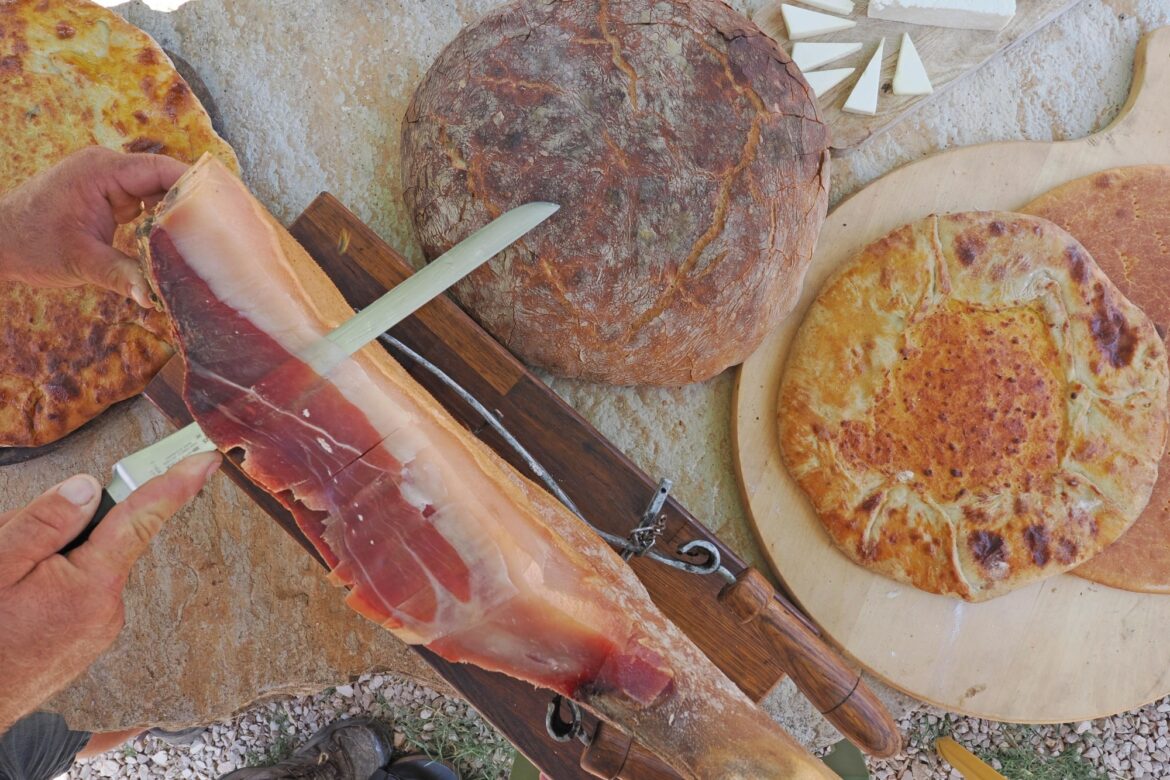
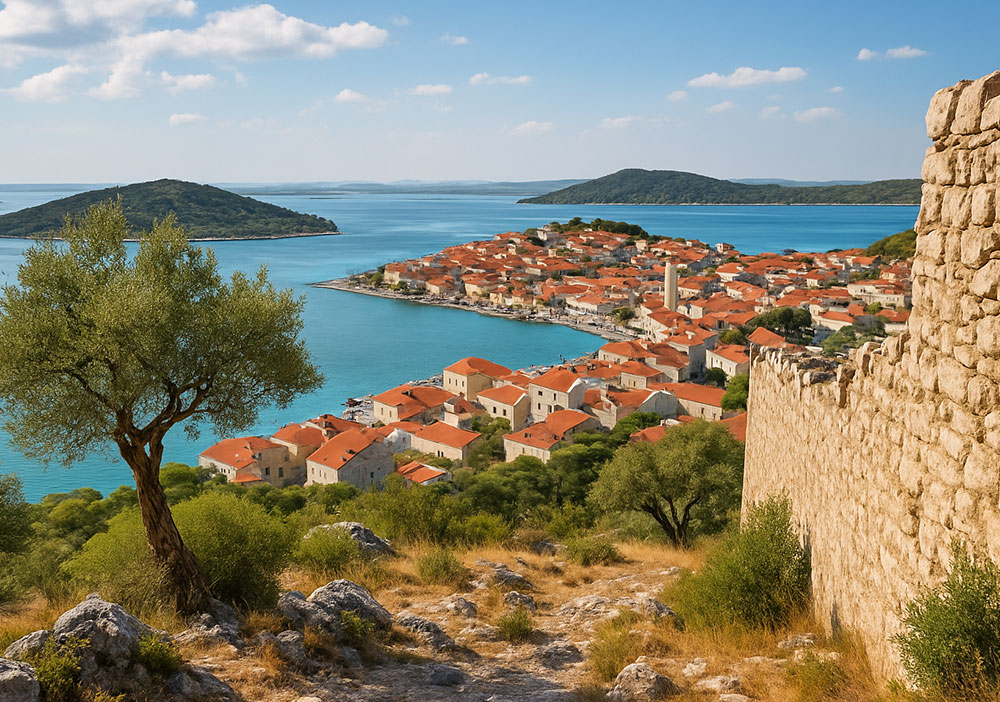
“Photographs from the air and the ground on this journey are not just images – they are fragments of my experience of the city. Šibenik is a place where past and present meet in a perfect frame, where the sea, stone, and people create a story worth telling again.”
Šibenik (Photo:Boris Trogrančić)
The wandering photojournalist Boris Trogrančić usually amazes us with his shots from Bosnia and Herzegovina, but this time he brings breathtaking views of Šibenik. He visited the city on the occasion of a concert at St. Michael’s Fortress, where the musical virtuosos SatchVai (Joe Satriani and Steve Vai) performed as part of their major European tour.
“Some cities win you over at first sight – and Šibenik does it both from the sky and from the ground. Recently, I had the chance to visit this Dalmatian gem during the SatchVai concert and, through my lens, discover its many layers – from stone-paved streets to the blue horizon,” says the photographer, adding:
“The first impression from a bird’s-eye view takes your breath away – a network of narrow streets winding towards the fortresses, surrounded by the sea shimmering in the sunlight. From above, you can clearly see how the city grew and protected its borders over the centuries – from St. Michael’s Fortress to the mighty St. Nicholas Fortress at the entrance to the St. Anthony Channel.”
Šibenik – 3 (Photo: Boris Trogrančić)
A walk through the city reveals a different perspective – the Cathedral of St. James, a stone masterpiece listed as a UNESCO World Heritage Site; the narrow stairways inviting you to peek into hidden corners; and the picturesque waterfront, where the scent of the sea blends with the sounds of street cafés.
Šibenik is a unique story on the Adriatic – the oldest native Croatian city on the coast, first mentioned in 1066 in the charter of King Petar Krešimir IV. This historical imprint can be felt at every step, whether you are looking at the medieval walls or losing yourself in the colorful details of the old facades.
“This time, for me, Šibenik was also a city of music. The SatchVai concert brought virtuoso guitar tones that merged with the Šibenik night, creating an atmosphere not to be forgotten. The music and the city breathed together, and I tried to capture that energy through my photographs,” describes Boris Trogrančić, whose photos you can see in the gallery at the beginning of the article.
“Photographs from the air and the ground on this journey are not just images – they are fragments of my experience of the city. Šibenik is a place where past and present meet in a perfect frame, where the sea, stone, and people create a story worth telling again. Even though my visit was short, I am certain I will return to Šibenik again!” – beautifully described by Boris Trogrančić, who you can also follow on YouTube.
When you think of Dalmatia, the first image that probably comes to mind includes turquoise sea, the scent of pine trees, and the sound of cicadas as you enjoy a coffee on the promenade. But what many forget – or better yet, are only just beginning to discover – is that the true charm of Dalmatia often doesn’t lie on the coast, but just a few kilometers inland, in the quiet, green corners of the Zadar hinterland. This landscape, which combines the scents of childhood, tradition, and authentic Dalmatian hospitality, is becoming an increasingly important destination for travelers who seek more than postcards and beaches.
In recent years, the Zadar hinterland has been experiencing its own tourist renaissance. In the rural landscapes of Ravni Kotari, Bukovica, and the fertile plains around Benkovac, family farms, wine stories, museums, and agritourism are flourishing, offering what you can’t find in crowded tourist hotspots: silence, sincere people, and flavors that take you back to childhood. If you’ve had enough of fast-paced, superficial vacations, if you want to know who cooked your soup and what the olive tree looks like that gave you the oil on your salad – the Zadar hinterland is waiting just for you.
What does the Zadar hinterland include?
The Zadar hinterland covers a wide area between the Adriatic coast and the Velebit mountains, stretching from Ravni Kotari and Bukovica, through the Benkovac region, all the way to the mountain foothills. Here, time flows more slowly, people smile and have time to talk, and every bite of food or glance at the landscape tells a story.
This is a region that successfully combines rich cultural and natural heritage with a growing offer of sustainable tourism. The villages preserve the spirit of the past through architecture, customs, and everyday life, while at the same time offering modern experiences to visitors who want more than a typical holiday.
Authenticity and Flavors on the Family Farms of the Zadar Hinterland
If you want to truly understand this region, the best place to start is – at the table. More precisely, at a home table full of local specialties, served on the terrace of a family farm (OPG) with a view of vineyards or olive groves. In the Zadar hinterland, especially between Biograd and Benkovac, you’ll find many farms involved in the Welcome – taste & buyinitiative, which offer exactly that: experience, flavor, aroma, and story.
In Gornji Ceranj, you’ll find the Mate Gašpar farm, where the entire family welcomes you – literally. Their five sons help serve dishes such as lamb and veal under the peka, prisnac – a traditional savory cheese pie – and corn priska, which is not baked, but sung. Because here, every dish has its rhythm, and every dinner ends with laughter.
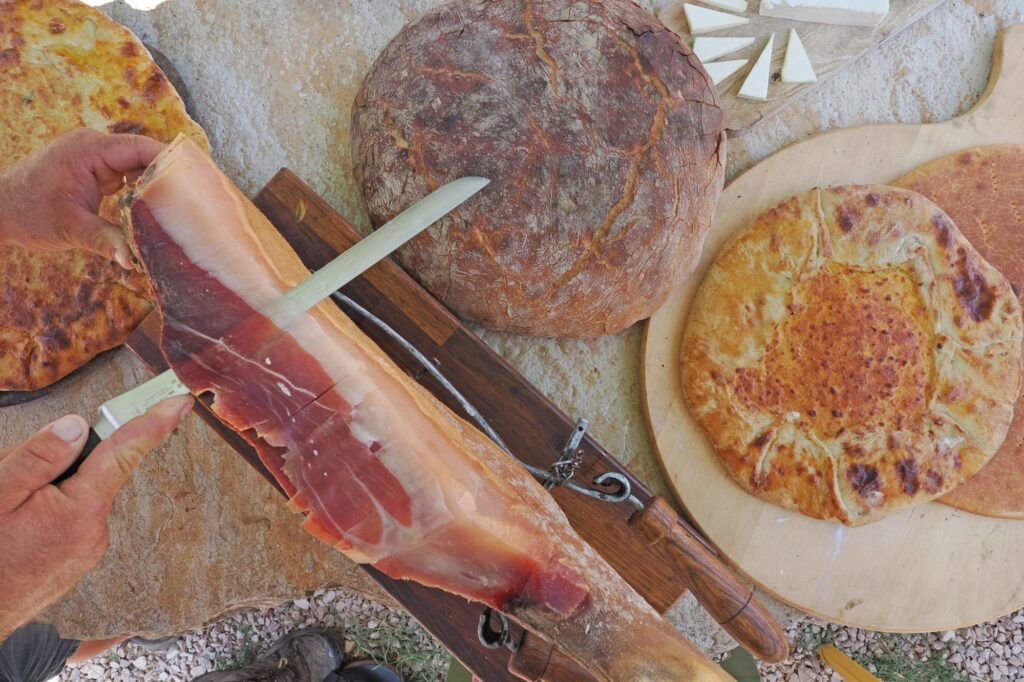
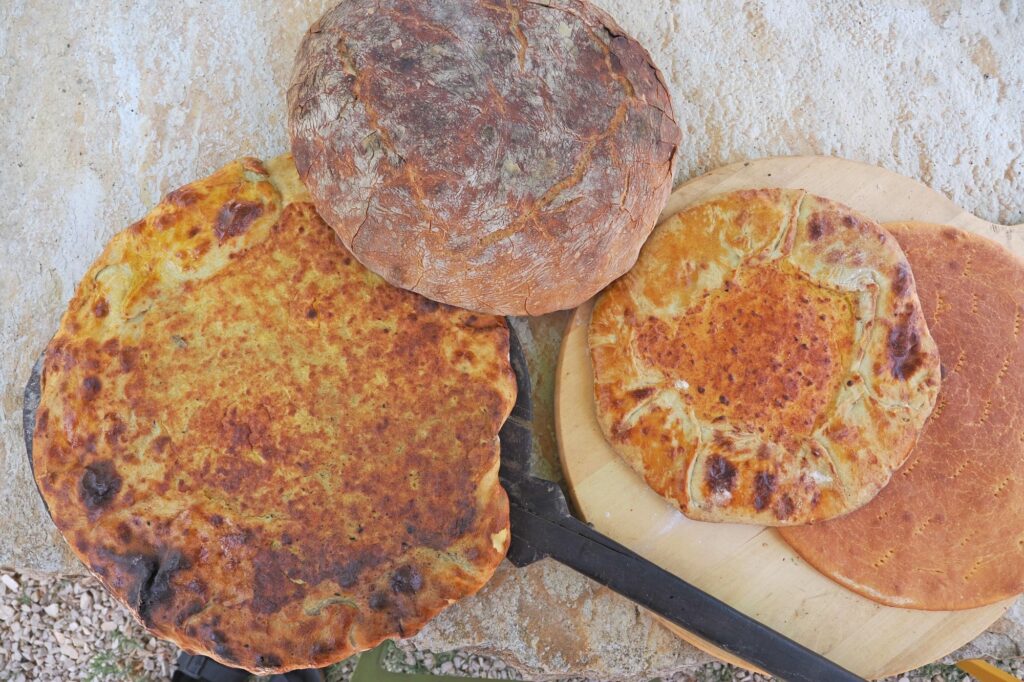
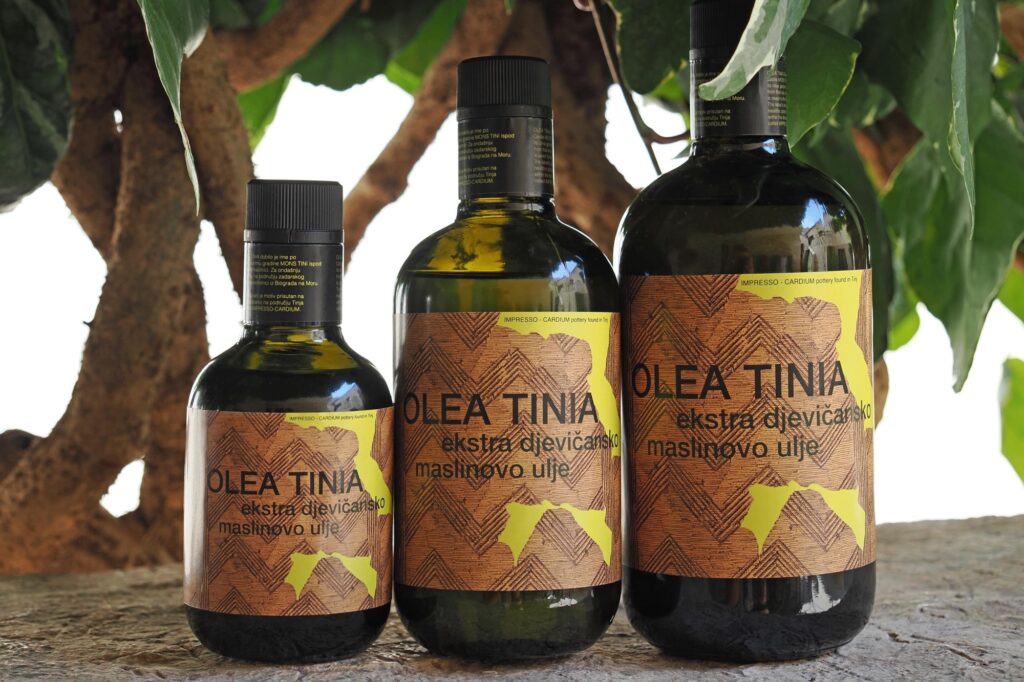
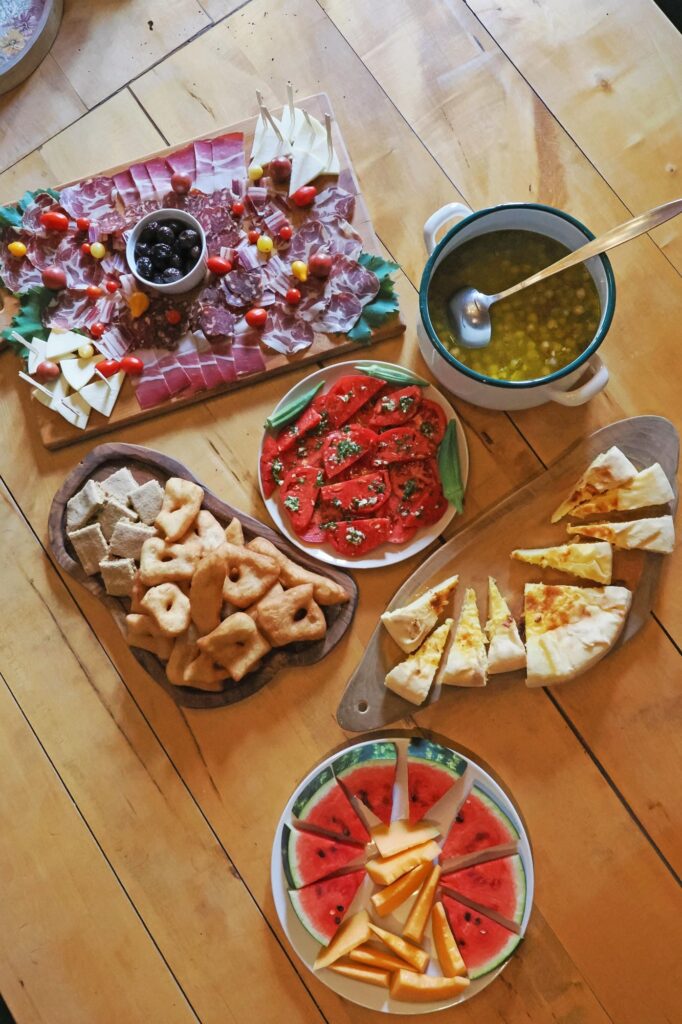
Not far away, in the village of Polača, Milenko Zagorac’s farm produces “Olea Tinia” oil, the result of devoted work in the olive groves that stretch across the slopes of Tinj. The tasting room is modernly designed, but the warmth with which the hosts welcome you recalls old times. Vesna Zagorac serves olive oil, cheese, pancetta, homemade bread, and wine with love and pride, while telling the kind of unforgettable family story that stays with you.
To round off this authentic gastro journey, stop in Šopot near Benkovac at Lola’s Vatrenica, an agritourism run by Doris Ćusa, one of the daughters of the legendary Lola. Alongside freshly baked bread, homemade cured meats, and the famous Benkovac prisnac, she shares stories about her father, about tradition, and about life here. At the end, I even met donkeys that provide milk – something I didn’t expect, but gladly tried. And yes, surprisingly, it was delicious.
The Best Wines of the Zadar Hinterland
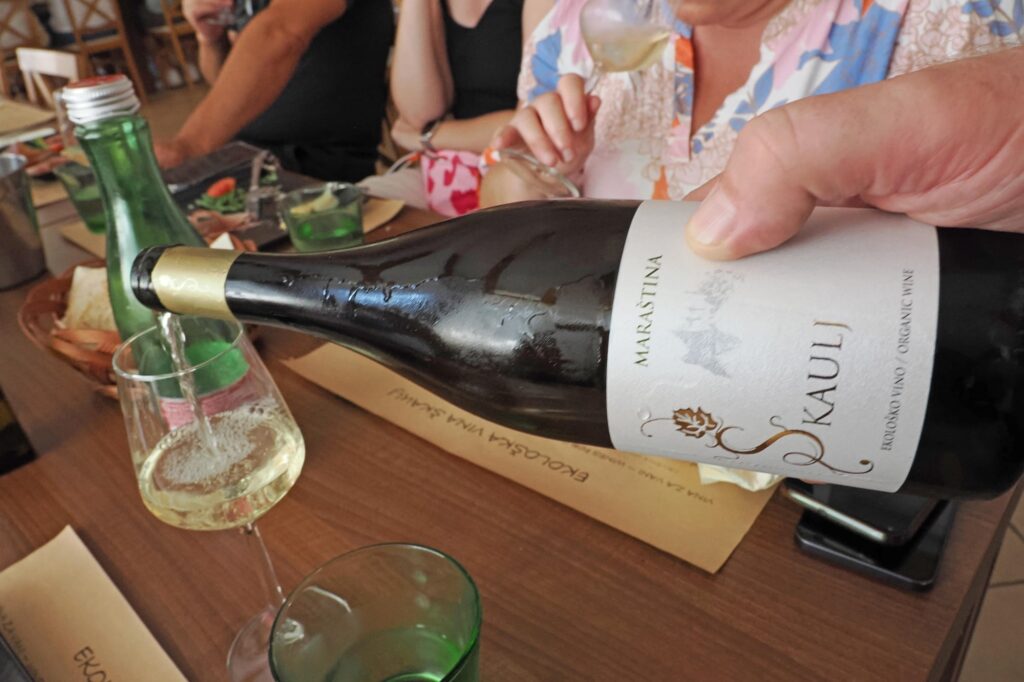
Wine lovers don’t need to look any further, as the wineries of this region seriously compete on Europe’s wine map. Škaulj Winery in Nadin offers certified organic wines and a unique tasting experience in the fairytale setting of vineyards. The winery also gained recognition thanks to a visit by the Swedish royal family, and the wine “Royal,” named after the king, proves that even small vineyards can reach international heights.
Benkovac: A Blend of Market, Museum, and Character
If your visit coincides with the 10th of the month, don’t miss the Benkovac Fair. It’s the most famous fair in this part of Croatia, where thousands of people come to buy, sell, browse, and chat. Everything is on offer – from antiques and handicrafts to prosciutto, vegetables, and even tractors. A new covered space has given the fair fresh momentum, but the atmosphere remains the same – dynamic, authentic, and full of life.
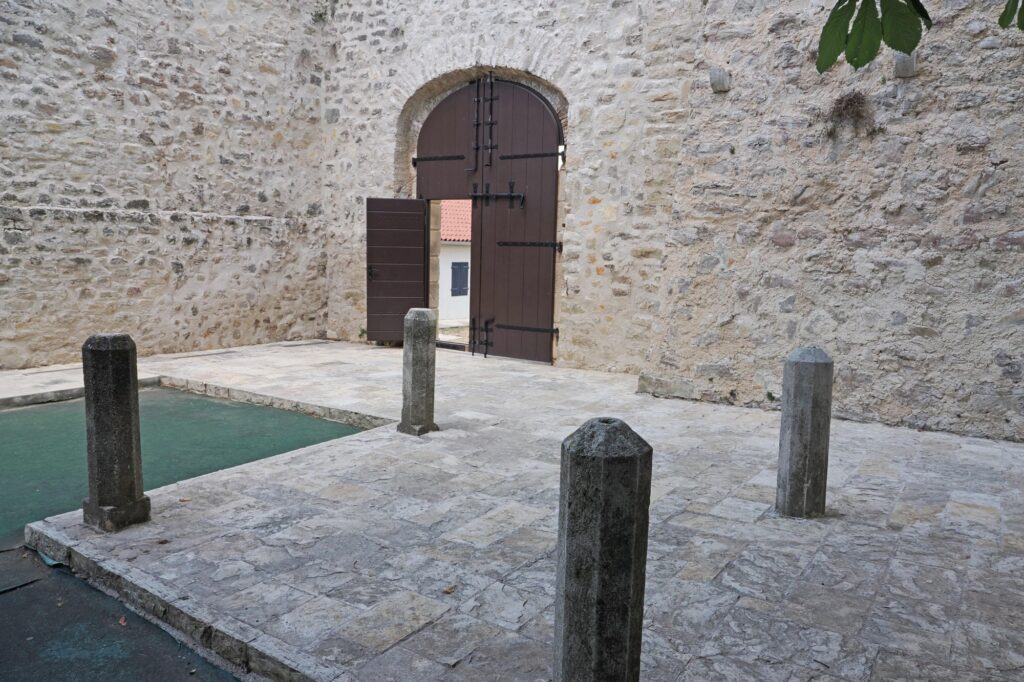
In the center of Benkovac, you’ll also find the Heritage Museum, which preserves everyday objects, costumes, tools, and the history of the region. If you want to understand why people here speak with heart and taste with soul, step into the past. The museum is located in the impressive medieval fortress Kaštel Benković, built on a hill above the town. This fortress, which changed owners and functions throughout history, now houses a rich collection of archaeological, ethnographic, and cultural-historical items from Ravni Kotari. The exhibition is particularly engaging, guiding you through hundreds of years of local history.
Perhaps, just like me, you’ll feel as though you’ve stepped into a real time capsule of the Zadar hinterland. In the archaeological collection, housed in the castle tower itself, you’ll find artifacts from archaeological sites such as Asseriaand Karin, stone relics, and a lapidarium that literally tells the story of millennia of human settlement in this area.
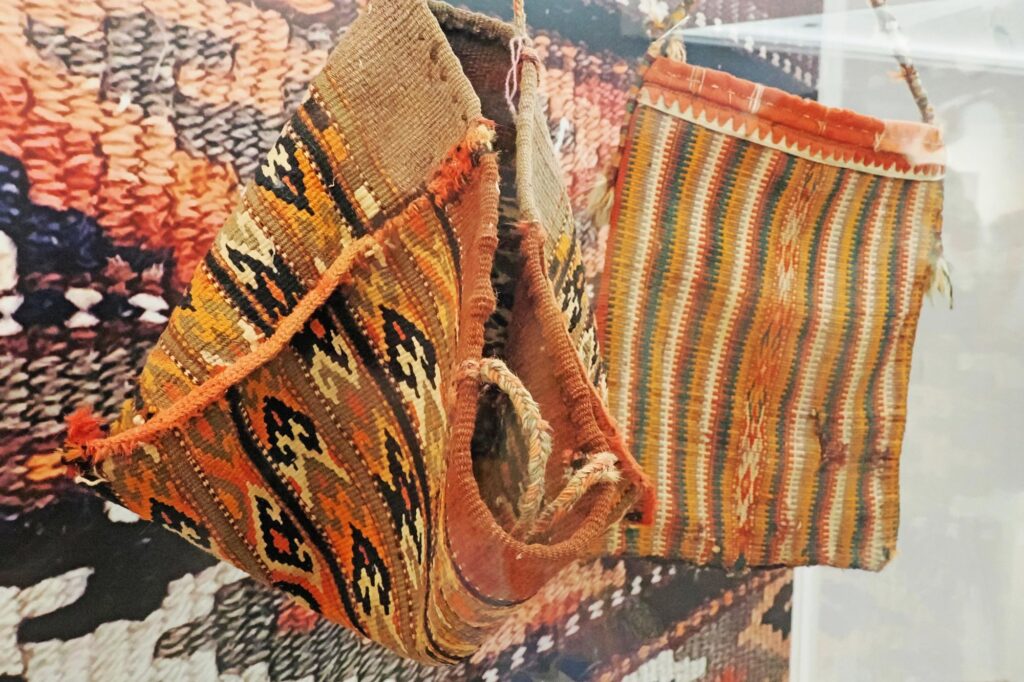
The ethnological collection reveals how people lived here a hundred years ago – through traditional costumes, old tools, and everyday objects, you can sense the spirit of bygone times. The cultural-historical and documentary collection additionally offers insight into Benkovac as an important trading and strategic center that, over the last two hundred years, changed hands between at least ten states – each leaving its mark.
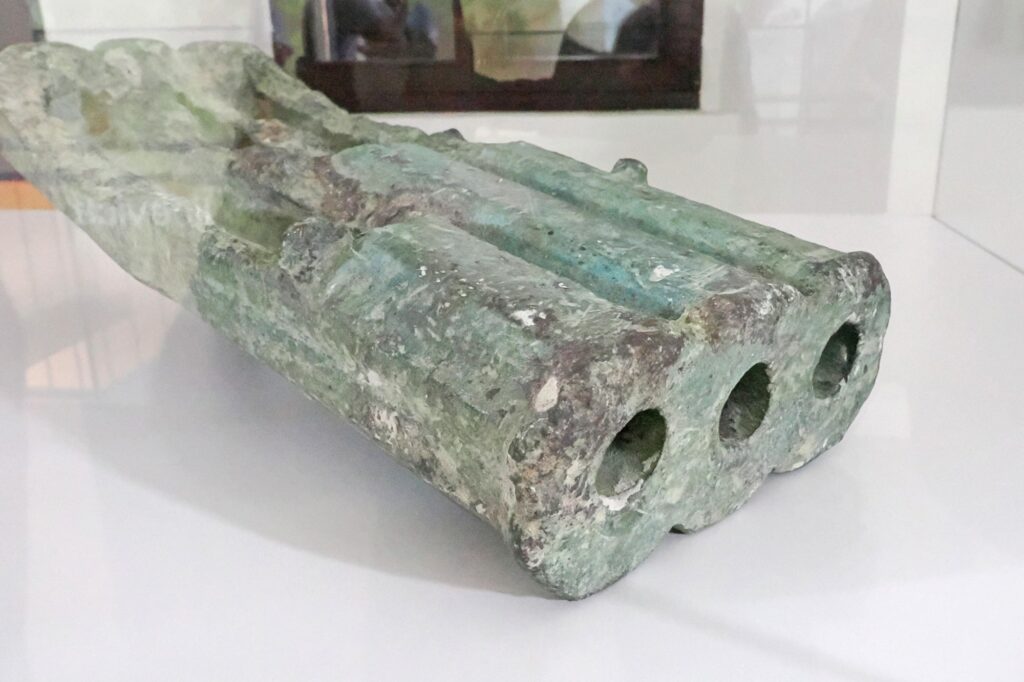
Particularly impressive is the stonemasonry collection, honoring the craftsmanship that made Benkovac stone famous far beyond the region. The museum also preserves a collection from the Homeland War, a rich photo archive, and a library. But perhaps the most unique and photogenic exhibit awaits at the very top of the castle: Da Vinci’s three-barreled cannon from the 15th century, the only one of its kind in the world, cast according to the original sketch of the great genius. In Benkovac, history truly has many faces – and each tells its own story.
The museum was founded in 1983 and plays an important role in preserving the identity of this region, which, throughout its turbulent past, was at times an Ottoman fortress, an Austro-Hungarian stronghold, and a place of fierce local resistance. Thanks to its exhibits, you’ll better understand why Benkovac is not just a transit stop on the way to the sea, but a place worth exploring more deeply – through its people, heritage, and the stories that echo through the stone walls of the Kaštel.
Cerovačke Caves: An Underground Spectacle
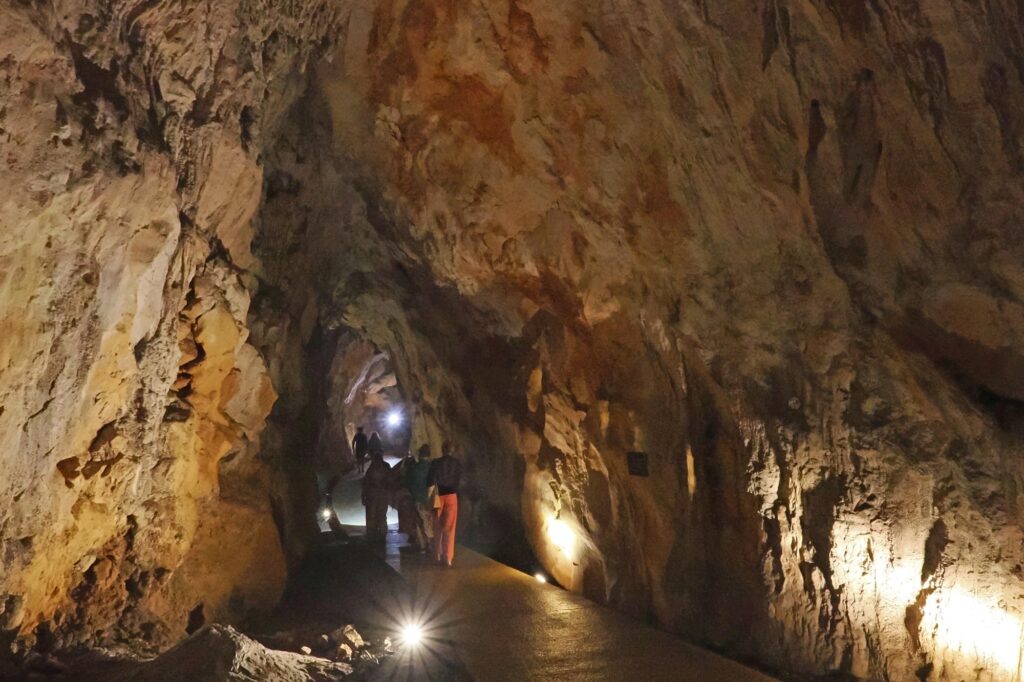
When summer shows its hot face, you can cool off in the shade of the Cerovačke Caves. If you’re fascinated by places where nature whispers its ancient stories, these caves are a destination you must not miss. Located in the southern part of the Velebit Nature Park, above Gračac, they are the largest speleological site in Croatia open to the public – and a true time machine into the distant past.
Although the caves are a “cool” attraction in every sense of the word, the path to them is anything but easy. The climb to the entrance is steep, rocky, and demands proper footwear – so forget flip-flops. Bring a bottle of water, a spare shirt, and definitely a jacket or warm hoodie, as the temperature inside the cave is only 6°C year-round. The Cerovačke Caves consist of three interconnected systems – Lower, Upper, and Middle – which together form an underground labyrinth over eight kilometers long. Not all passages are open to visitors, but what is accessible will certainly leave you in awe.
The Zadar Hinterland
Here, with a professional guide, you literally step back thousands of years – through natural halls adorned with stalactites and stalagmites, but also through traces of life etched into the rocks of this karst world. In the caves, archaeologists discovered bones of prehistoric animals and evidence of human presence from long-forgotten eras. Walking through this underground world, I felt as though I was walking through memories older than anything I had ever known.
The Cerovačke Caves are not just a geological wonder. They are a reminder of how patient, powerful, and fascinating nature can be. And you, as a traveler through time, are given the chance here for quiet admiration and learning.
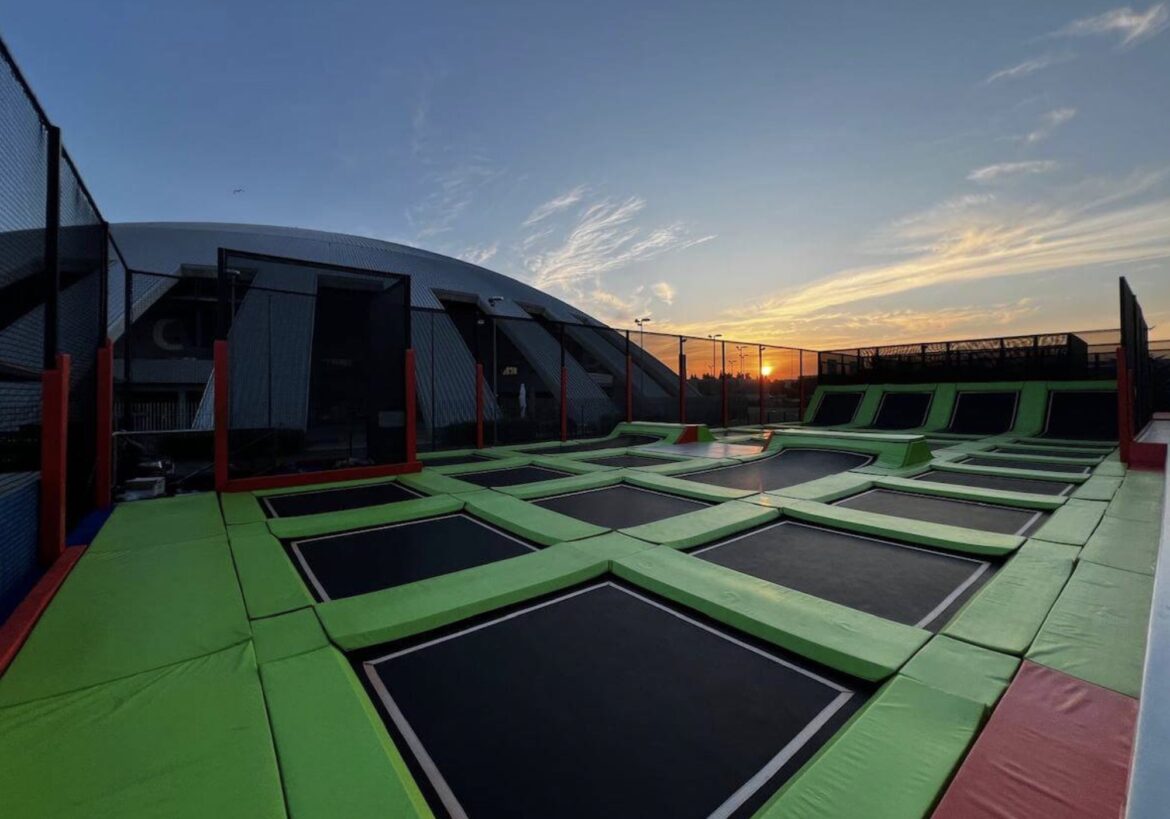
We went to take a look in Višnjik and visited Moon Fun Park, which is located right next to the Krešimir Ćosić hall!
At first we thought it was only attractions for children, but we quickly found out that the fun is meant for young and old. The visit was really entertaining – for all age groups, and there is something here for everyone!
The trampoline park is suitable both for experienced jumpers and for enthusiasts who want to have fun and do something for their health at the same time. You can play basketball or dodgeball, or try the obstacle courses if you want to test your skills.
Besides the trampolines there is mini golf, a racing zone and a VR simulator, which interested us the most! It is well and professionally done, great for a group of friends. You will find classic games where you fight enemies, but the biggest fun was the fast-food simulator, where everyone has to work together in a restaurant kitchen.
The boys in our group were thrilled by the virtual car races. Perfectly simulated tracks and a realistic environment provided an unforgettable experience – you really feel every turn and bump as you compete against other drivers.
We also stopped at Borik, where Moon Fun Park, in cooperation with the Falkensteiner hotel, created a Bouncer park covering as much as 400 m². It is fun whether you are a beginner or a pro – it is physically demanding, but thanks to the water also pleasantly refreshing.
The great thing is that they regularly organise birthday parties and team-building events. After what we saw, we can confirm that it is a perfect place to take your colleagues after a demanding working day and unwind a little.
Overall – a place we would definitely be glad to return to, not only with a bigger group, but happily also for an ordinary afternoon.
You can find more information and details about the attractions on the official website of Moon Fun Park in Zadar.
A beach holiday with kids can be much more than just swimming. Around Pirovac, you’ll find plenty of attractions that entertain both the young and the old while also offering opportunities to explore nature and history in a playful way. If you’re looking for inspiration for trips with kids, here are our 7 trusted tips:
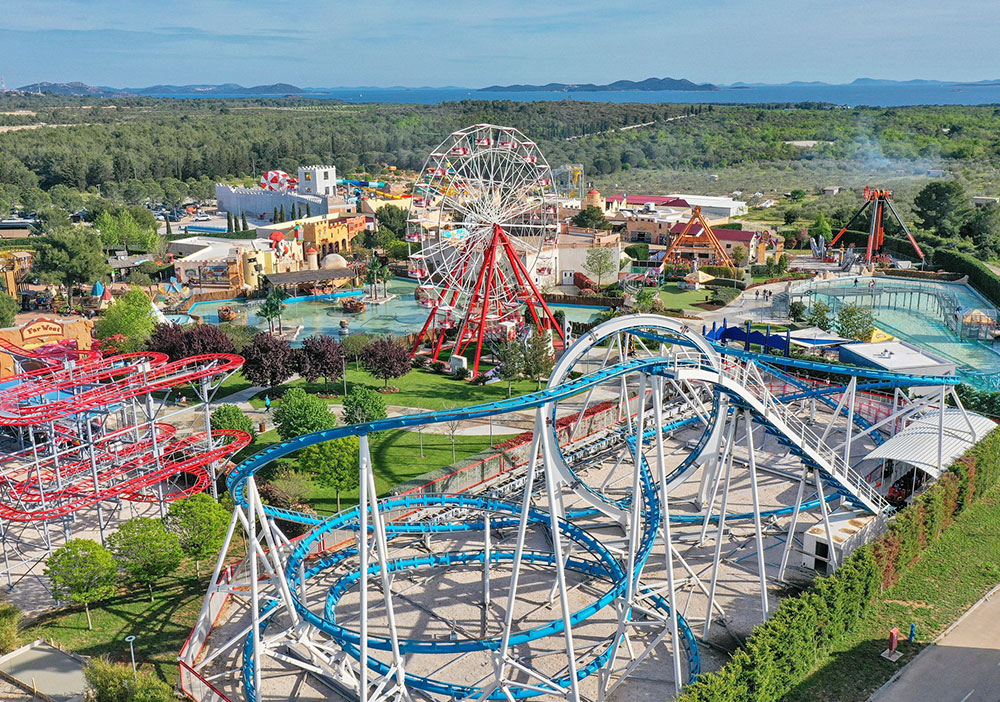
🎢 1. Fun Park Biograd – a whole day of fun Distance: approx. 30 km This themed amusement park in Biograd na Moru is perfect for the whole family. It has roller coasters, water attractions, a pirate zone, and a carnival section. Children of all ages will find something they enjoy.
💦 2. Krka National Park – nature, waterfalls, and adventure Distance: approx. 40 km In Krka Park, children can explore waterfalls, walk along wooden paths, and even swim in some of the natural pools. Ideal for nature lovers and active families.
🏰 3. Šibenik and its fortresses Distance: approx. 45 km The historic fortresses of St. Nicholas and St. John offer beautiful views and interactive exhibitions. Perfect for a short trip that combines culture with views of the sea.
🐴 4. Animal farms and ranches Distance: various – 20 to 40 km Children can experience horseback riding, observe farm animals, or participate in feeding them. These places are often family-friendly and very welcoming to kids.
🐟 5. Sea Aquarium in Split Distance: approx. 80 km (but worth it!) An interactive aquarium where children can learn about the Adriatic Sea. They’ll see fish, octopuses, and learn more about the underwater ecosystem.
🦅 6. Vransko Lake – a birdwatching paradise Distance: approx. 15 km The ornithological reserve near the lake is ideal for children interested in nature. Birdwatching through binoculars can be an adventure in itself.
🦕 7. Dinosaur Park near Zadar Distance: approx. 60 km Life-size dinosaurs, interactive models, playgrounds, and workshops – this park is every little paleontologist’s dream.
✨ Conclusion: A holiday that kids will love The surroundings of Pirovac offer more than just sand and sea. Thanks to these trips, kids will take home plenty of memories, learn something new, and enjoy an active day off the beach. Plan at least one of these excursions, and you’ll see their eyes light up with joy.
If you are planning a holiday around Pirovac, Murter or near Lake Vrana, you will be glad to hear that besides beautiful beaches and swimming, the region offers plenty of tips for trips and experiences for the whole family. From historic towns and natural beauty to activities linked to olive oil and traditional cuisine – everyone will find something here.
🏞️ Nature and views
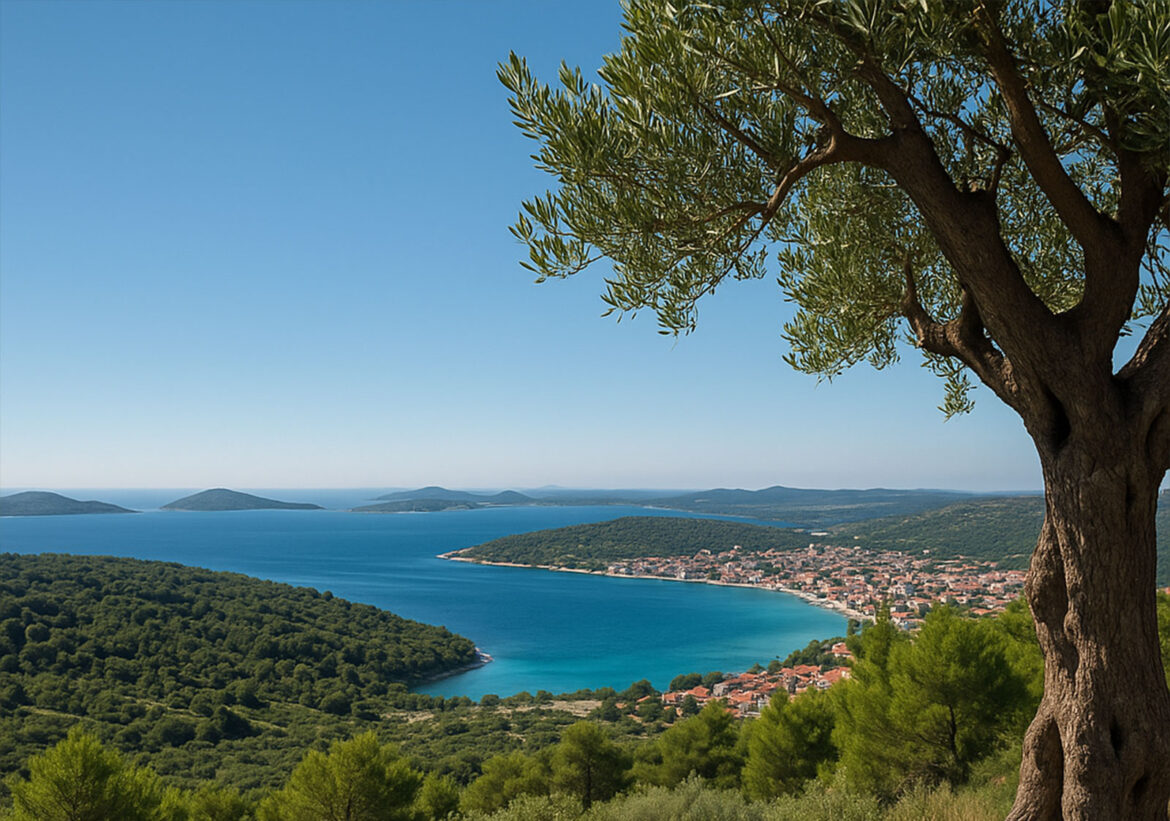
Vidikovac Kamenjak (Kamenjak viewpoint) A panoramic view of Lake Vrana and the sea, ideal for sunset.
Educational trails by the lake Suitable for hiking, cycling or birdwatching – the area is part of an ornithological reserve.
The plant life of Dalmatia Wild herbs such as lavender, thyme and rosemary beautify the landscape and smell wonderful in the warm summer air.
🏛️ History and culture
Island of Murter – the towns of Betina and Tisno An area known for traditional shipbuilding, stone streets and folklore.
Šibenik A historic centre with the UNESCO-listed Cathedral of St James, fortresses and stone streets.
Zadar Both modern and ancient – remarkable monuments, the Sea Organ, the Greeting to the Sun and pleasant promenades.
🍽️ Local flavours
Olive farms and tastings Visit local presses and taste fresh olive oil. We recommend the Olea farm on Murter.
Homemade cheese, wine and figs Many restaurants serve homemade products – try enjoying dinner with a view of the sunset.
🛥️ Water and relaxation
Boat trip to Kornati Organised trips to a wonderful archipelago with turquoise sea and rugged rocks.
Beautiful beaches around Pirovac and Lovišće Clean sea, pebbles, pine trees and peace – ideal for families with children, too.
Snorkelling and diving Places with rich underwater life can be reached from the beaches as well as from boats.
🚴♀️ Active relaxation
Cycling routes The area is suitable for cyclists, whether you prefer calm routes by the lake or more demanding terrain in the mountains.
Hiking and Nordic walking Around Pirovac and Murter you will find several marked trails with beautiful views.
🌟 Extra points of interest
The oldest olive tree in Croatia Visit Kaštel Štafilić, where an olive tree more than 1,500 years old grows.
Cultural events and festivals In the summer months there are various events – music evenings, folklore, and markets with crafts and local specialities.
📝 Conclusion
Pirovac and its surroundings offer more than just beaches. It is an ideal destination for those who want to discover authentic Dalmatia – its scents, flavours, nature and history. Whether you travel with family, a partner or alone, everyone will find something special here.
Murter is rightly called a gem of the Croatian coast. It lies close to Šibenik, and although it is technically an island, a bridge connects it to the mainland. Thanks to this it is easy to reach and yet has kept its unique character.
🏛 Historical roots and a fortress with a view
Murter is one of the oldest inhabited islands in Croatia. Roman and medieval monuments, as well as the hillfort on top of the island, offer not only interesting glimpses into the past, but also a panoramic view over the open sea and the surrounding world.
🌉 An island that is not an island
The bridge connecting Murter with the mainland makes it a unique place. You can enjoy the atmosphere of an island without needing a ferry, which families with children and those travelling by car will appreciate most.
🏖 Beaches for everyone
The best known is Slanica Beach, ideal for children thanks to its gradual entry into the sea. You will also find smaller coves for those looking for privacy and peace. Murter is thus a paradise for lovers of swimming, sunbathing and water sports.
🫒 A land of olives and exceptional oil
Olives on Murter are more than just a crop – they are part of life. The island is known for quality olive oil, which is exported from here to the world. Some olive trees are more than 1,000 years old, which makes them living monuments.
🌿 Murter as a gateway to nature
Murter is the entrance to the Kornati National Park, an archipelago full of wonderful scenery, clean sea and opportunities for diving or yachting. An ideal tip for a trip from the island.
🎉 Living traditions and local festivities
Every year the island holds the Festa sv. Mikule, a patron-saint festival full of music, crafts and gastronomy. The authentic atmosphere makes this event a popular experience for locals and tourists alike.
🌊 The hidden cove of Luke – a secret of the island
Among the less known but enchanting places is Luke cove – ideal for rest in silence, away from the main tourist bustle. Couples, solo travellers and families alike will love its peaceful atmosphere.
✨ Conclusion: Why is Murter worth visiting?
If you are looking for a place that combines natural beauty, rich history and local traditions, Murter is a great choice. It is easy to reach, full of experiences, and still keeps the charm of an authentic Croatian island.
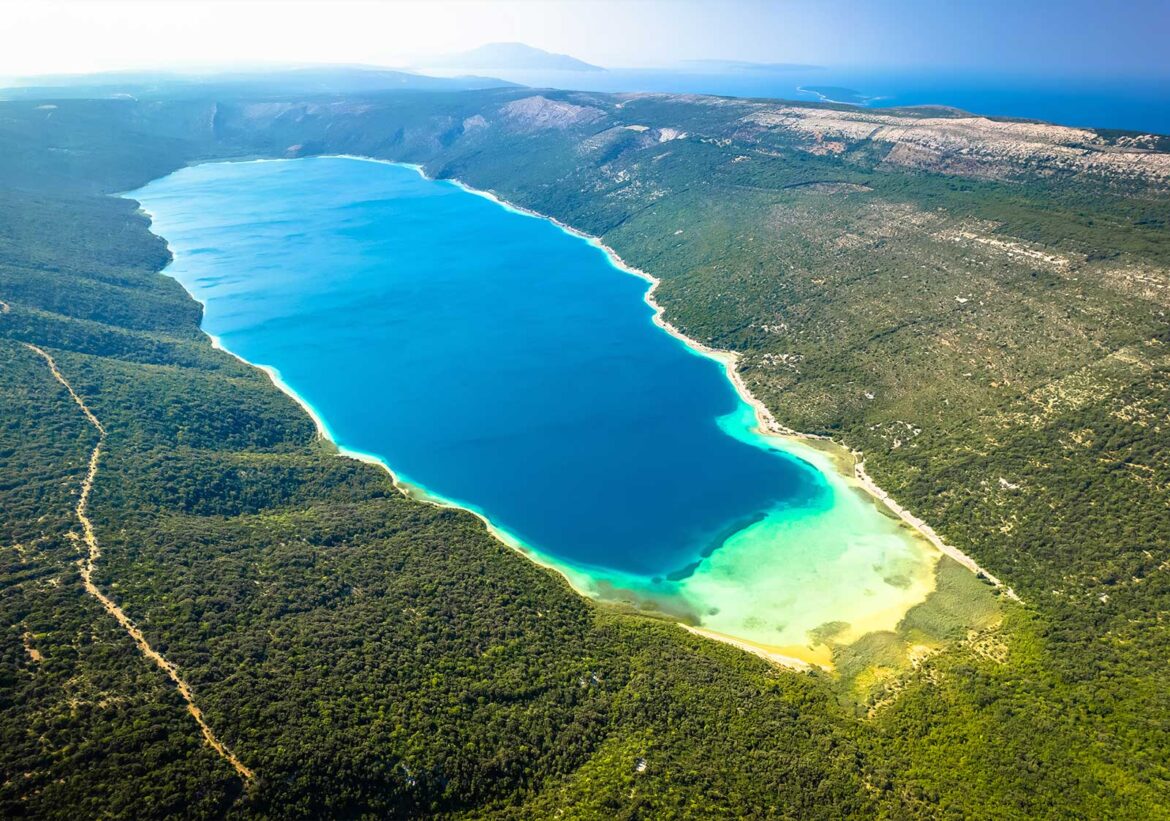
Just a few kilometres from Pirovac lies Lake Vrana, the largest natural lake in Croatia and a protected nature reserve. This unique ecosystem combines fresh and salt water, creating an ideal environment for rich fauna and flora. The lake is known above all as a paradise for birdwatchers, since many rare species live here, including herons, sea eagles and various kinds of ducks.