
Nature Around Pirovac and Murter: Discover the Rich Fauna and Flora of Dalmatia

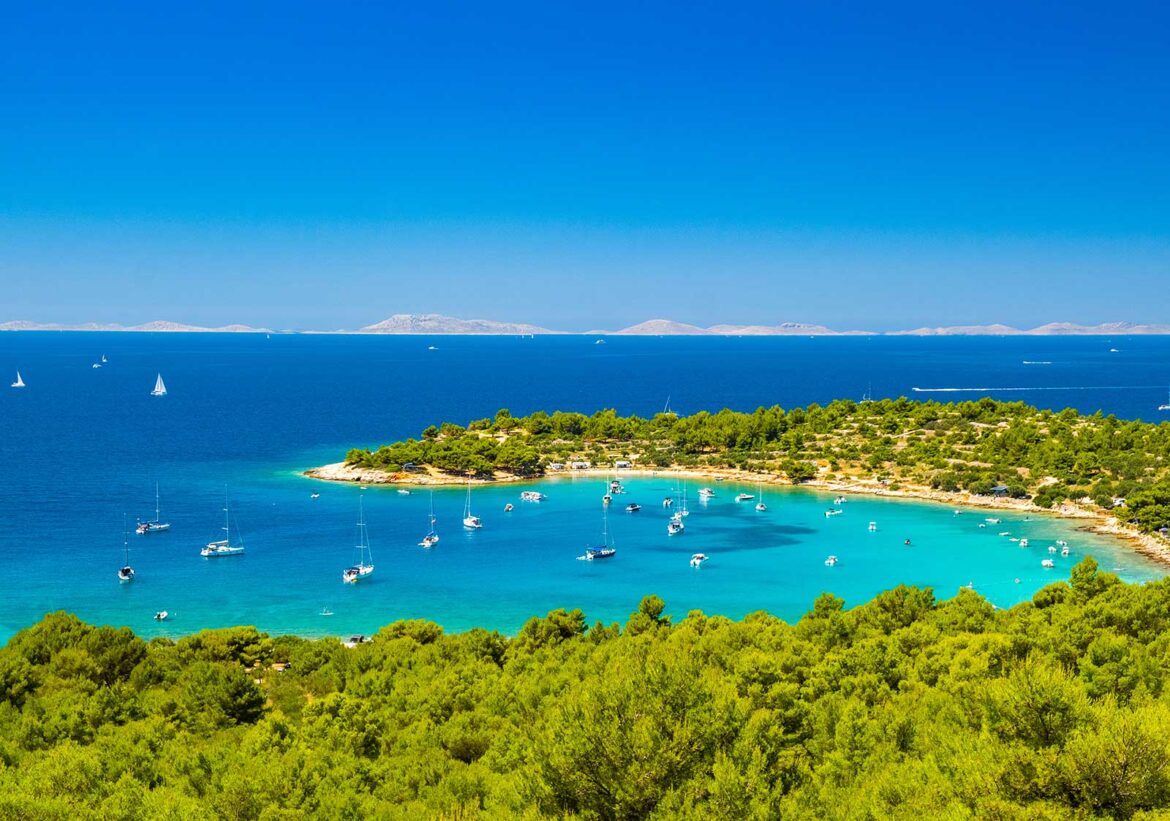
A holiday on the Croatian coast is not only about the sea, the sun and pebble beaches. If you look more closely, you will find that the area around Pirovac, Murter and Lake Vrana hides a rich natural world. The local fauna and flora are proof of the diversity of the Mediterranean environment and make this area ideal not only for relaxing, but also for getting to know nature.

🌿 Flora: Mediterranean plants and fragrant herbs

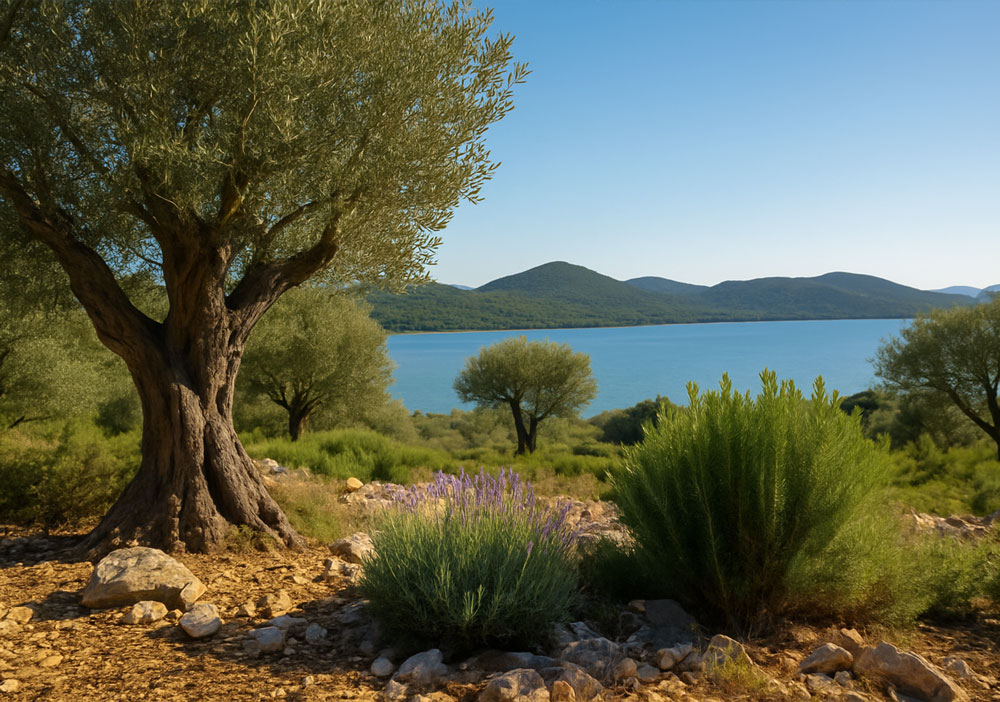
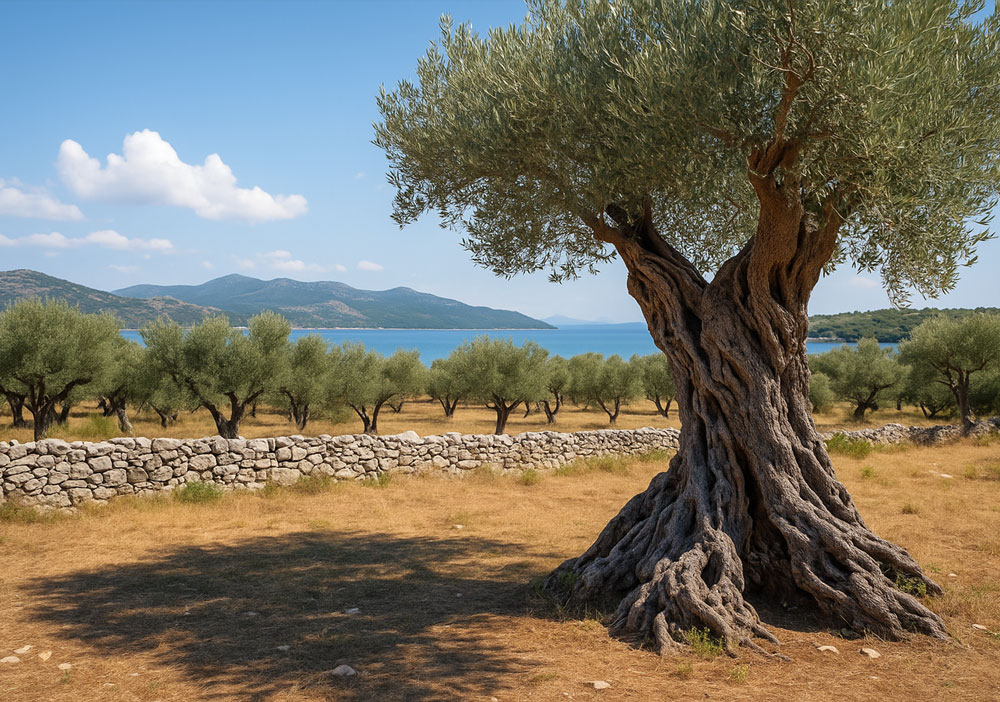
Typical for this area are olive trees, pines, oaks and various aromatic plants such as lavender, rosemary, sage and thyme. They grow not only in gardens, but also in the wild. Especially near the coast and on the hillsides you can smell the penetrating scent of herbs mixed with the sea air.

The native plant species are resistant to drought and adapt well to rocky, sunny terrain. Around Lake Vrana there are also wetland areas, where other species typical of damp environments grow – for example reeds, sedges and water lilies.

🐦 Fauna: From birds to lizards

The Pirovac area is home to many bird species. The best known is the bird reserve at Lake Vrana, where you can watch more than 250 species of birds, including herons, ducks, cormorants and even sea eagles.

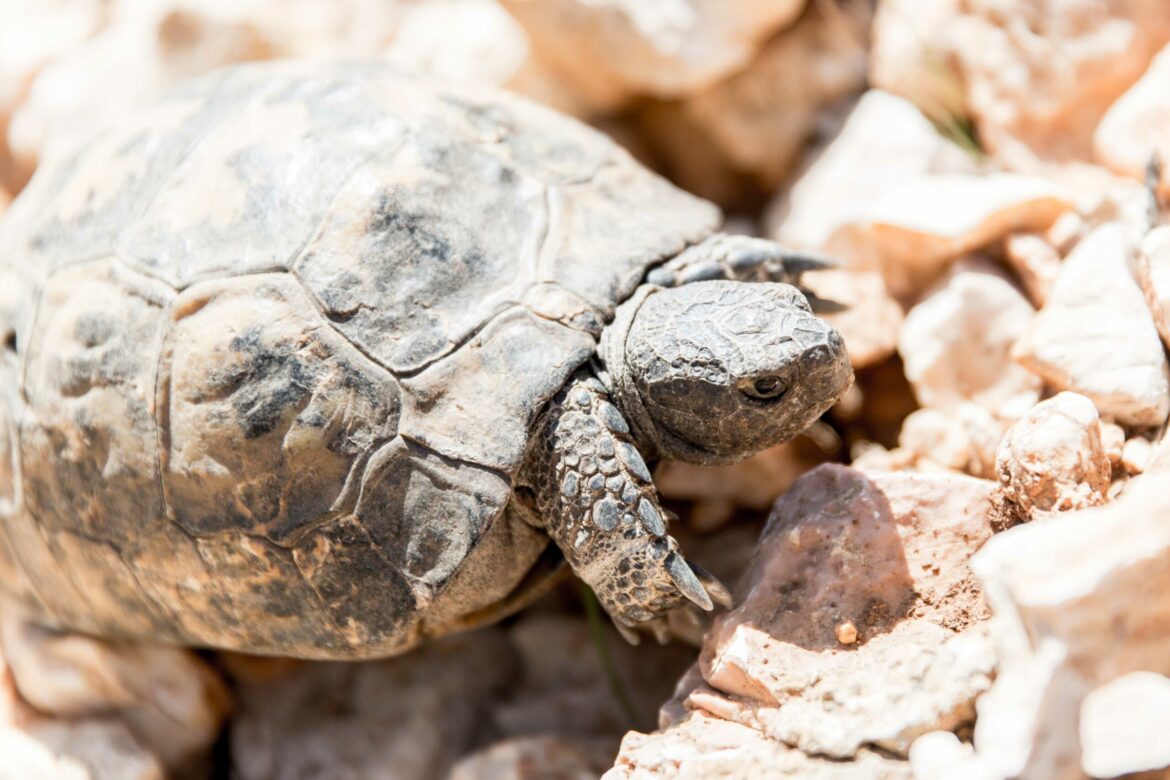
In the wild you can also meet lizards, geckos, tortoises, and if you are lucky, you may see a hedgehog or a marten. The sea hides a rich underwater world – besides fish there are sea urchins, crabs, starfish and octopuses, which you can see while snorkelling.

🌳 Protected areas and educational trails

If you long for a more active exploration of nature, set off on one of the educational trails around Lake Vrana or on the island of Murter, where you will find olive trails leading through traditional groves. These areas are often part of protected natural areas and are suitable for hiking lovers as well as families with children.

✨ Conclusion: Nature that completes the holiday atmosphere

The fauna and flora of the Pirovac and Murter area are unassuming, yet fascinating. Thanks to them this part of Dalmatia has its own distinctive character – the scent of herbs, the song of birds and a landscape dotted with olive trees. If you stop and look around during your holiday, you may find the loveliest connection with nature in exactly these details.
Why Murter? An Island That Offers More Than Just Beaches

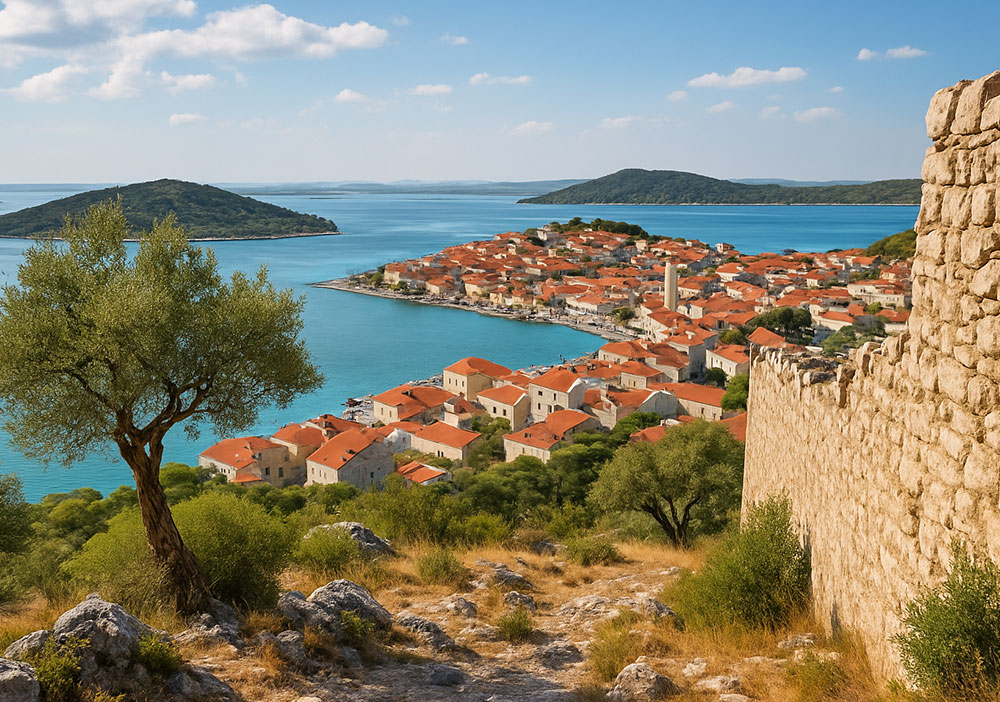
Murter is rightly called a gem of the Croatian coast. It lies close to Šibenik, and although it is technically an island, a bridge connects it to the mainland. Thanks to this it is easy to reach and yet has kept its unique character.

🏛 Historical roots and a fortress with a view

Murter is one of the oldest inhabited islands in Croatia. Roman and medieval monuments, as well as the hillfort on top of the island, offer not only interesting glimpses into the past, but also a panoramic view over the open sea and the surrounding world.

🌉 An island that is not an island

The bridge connecting Murter with the mainland makes it a unique place. You can enjoy the atmosphere of an island without needing a ferry, which families with children and those travelling by car will appreciate most.

🏖 Beaches for everyone

The best known is Slanica Beach, ideal for children thanks to its gradual entry into the sea. You will also find smaller coves for those looking for privacy and peace. Murter is thus a paradise for lovers of swimming, sunbathing and water sports.

🫒 A land of olives and exceptional oil

Olives on Murter are more than just a crop – they are part of life. The island is known for quality olive oil, which is exported from here to the world. Some olive trees are more than 1,000 years old, which makes them living monuments.


🌿 Murter as a gateway to nature

Murter is the entrance to the Kornati National Park, an archipelago full of wonderful scenery, clean sea and opportunities for diving or yachting. An ideal tip for a trip from the island.

🎉 Living traditions and local festivities

Every year the island holds the Festa sv. Mikule, a patron-saint festival full of music, crafts and gastronomy. The authentic atmosphere makes this event a popular experience for locals and tourists alike.


🌊 The hidden cove of Luke – a secret of the island

Among the less known but enchanting places is Luke cove – ideal for rest in silence, away from the main tourist bustle. Couples, solo travellers and families alike will love its peaceful atmosphere.

✨ Conclusion: Why is Murter worth visiting?

If you are looking for a place that combines natural beauty, rich history and local traditions, Murter is a great choice. It is easy to reach, full of experiences, and still keeps the charm of an authentic Croatian island.

On the Trail of Olives: What to Experience Around Murter and Where to Find the Oldest Olive Tree

If you are planning a holiday on the Croatian island of Murter, besides beautiful beaches and crystal-clear water you will discover less-known but all the more valuable experiences. Murter and its surroundings offer many interesting trips that will take you into the world of olives, traditional olive oil production and Mediterranean culture. What is more, one of the oldest olive trees in the world grows in a nearby area.

🫒 Murter as a centre of olive tourism

The island of Murter is known for producing quality olive oil, and many local farms offer visitors authentic experiences linked to making this “liquid gold”. On a trip you can see olive groves, take part in the olive harvest, watch the pressing process and taste different kinds of fresh oil. Some farms, such as Olea, organise tours with an explanation of the history and production of olive oil.

🌳 A trip to the oldest olive tree in Croatia

Just a short distance from Murter, in the village of Kaštel Štafilić near Split, grows an olive tree called Maslina Stara, which is considered the oldest olive tree in Croatia. It is estimated to be more than 1,500 years old. This majestic tree is a living witness to the history and culture of the area, and its fruit is still processed into olive oil today. A visit to this place is an ideal trip for lovers of nature, history and local products.

📍 Tips for other trips around Murter

  • Tisno and Betina – picturesque towns known for vernacular architecture and traditional shipbuilding.
  • Kornati National Park – the option of a boat trip from Murter to a unique archipelago.
  • Vodice and Šibenik – ideal for a day trip with historic monuments and gastronomy.
  • Olive trails – hiking routes leading through olive groves with a view of the sea.

✨ A combination of experiences, tradition and nature

A trip for olives on Murter is not only about tasting oil – it is a journey into tradition, culture and an authentic experience. Combine your holiday with discovering local flavours, meeting producers and exploring the natural beauty around.

Conclusion:
If you are looking for a trip off the classic tourist routes, Murter and its surroundings offer a unique view of Croatian culture through olives. Do not forget to take home a bottle of local extra virgin olive oil – perhaps even from the oldest olive tree in the country.

Why Is There Grass in the Bay? It May Not Look Like a Paradise Beach, but It Is a Gift to Nature

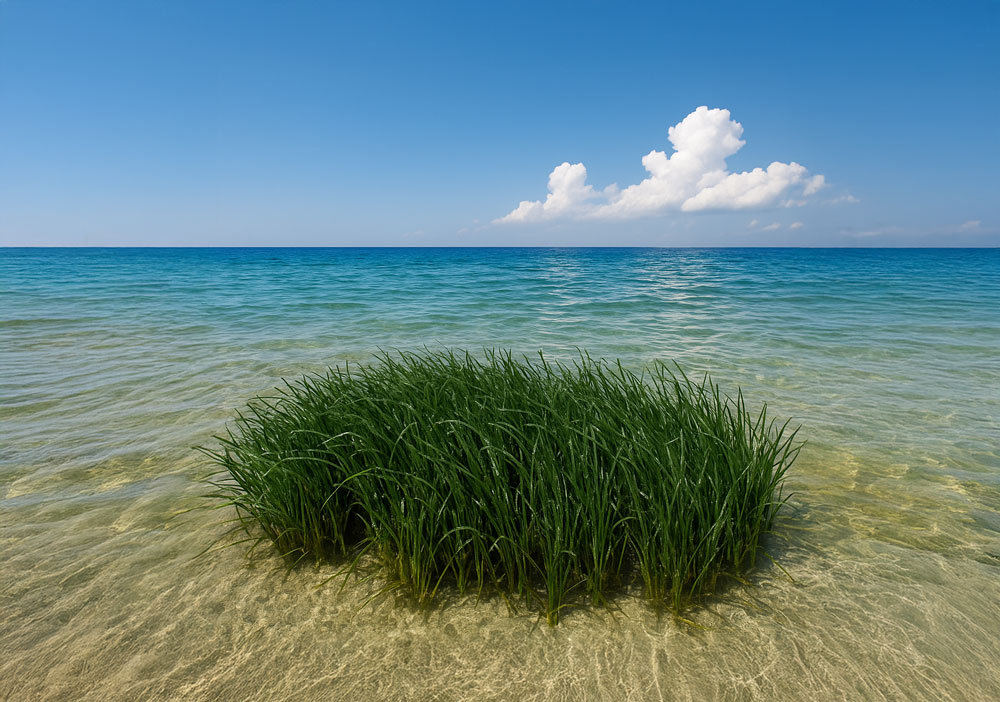
If you walk along the coast and spot seagrass in the water, you may think that sand or rocks would look “prettier”. But do not be fooled by appearances – seagrass is one of the most important elements of the marine ecosystem.

In our bay by the apartments you will find seagrass a little further from the shore – and although it does not look as attractive as clear water over a sandy bottom, its presence is extremely useful and valuable for nature.

What is seagrass actually?

The best-known species is Posidonia oceanica, which is common in the Adriatic Sea and elsewhere in the Mediterranean. It is not an alga, but a real plant with roots, leaves and the ability to flower. It grows on the seabed and forms dense underwater meadows.

5 reasons why seagrass is important to us

  1. It improves water quality
    It filters water, traps impurities and contributes to clarity. In addition, it binds CO₂ and releases oxygen, supporting the balance of the ecosystem.
  2. It protects the coast from erosion
    Seagrass roots stabilise the seabed and protect it from waves, storms and the washing away of sand.
  3. A refuge for marine life
    Many fish, shrimp and marine animals find a safe place here to live and reproduce. These meadows are like an “underwater forest”.
  4. It supports biodiversity
    Seagrass meadows are full of life – from microscopic organisms to larger animals. They are the foundation of a healthy marine food chain.
  5. It helps clean the sea
    The grass can absorb harmful substances from the water and contributes to a healthier and cleaner environment.

Seagrass in Croatia

In Croatia, especially along the Adriatic coast, Posidonia meadows are very common. So if you come across strips of grass while swimming, know that you are in a healthy and clean marine environment. These areas are also often part of protected zones, which further underlines their importance.

Doesn’t sound so bad, does it?

Although seagrass may not look like the ideal place to swim at first glance, it is thanks to it that we have a clean sea, life in the bay and a healthy nature. That is why we see it not as an obstacle, but as an ally of nature and a silent guardian of marine health.

Pirovac Brodet: A Traditional Fish Stew That Tastes of Dalmatia

Croatia is known not only for its wonderful coastline, but also for its rich Mediterranean cuisine. If you are planning a holiday around Pirovac or Murter, you should definitely taste one of the most typical dishes of this region – Pirovac brodet, a hearty fish stew that tastes like the sea itself.

🍲 What is brodet?

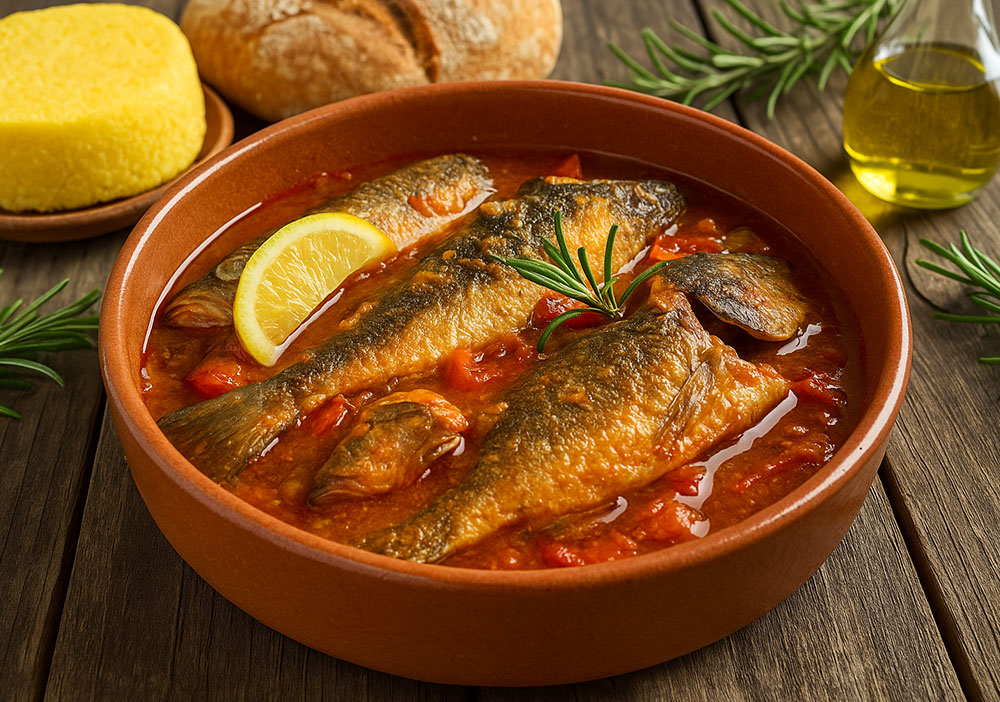
Pirovac brodet is a traditional thick soup or stew made of several kinds of fish, vegetables, white wine, olive oil and aromatic herbs. It is a dish that fishermen in Dalmatia used to prepare right on the boat to make use of the fresh catch.

To this day it is a favourite at celebrations and family gatherings, where it is served with polenta or fresh bread.

🐟 Ingredients for an authentic taste

To make a real brodet you will need:

  • A mix of fresh fish: sea bass, sea bream, conger eel and other local fish
  • Onion, garlic, tomatoes, peppers
  • Tomato paste, white wine, thyme, bay leaf
  • Olive oil, lemon and polenta for serving

All the ingredients are typical of coastal Croatia and create a perfect harmony of flavours.

👩‍🍳 Method

  1. Clean and cut the fish.
  2. Fry the vegetables (onion, garlic, peppers).
  3. Add the tomatoes and tomato paste and cook for a while.
  4. Pour in the wine, add the fish and let it cook.
  5. Season with herbs and simmer for 20–30 minutes.
  6. Serve with polenta or bread, garnished with lemon and a drop of olive oil.

✨ Why try brodet on holiday?

This dish is not just a culinary experience – it is part of local identity. It brings together tradition, family and the Mediterranean way of life. In the restaurants around Pirovac it is often prepared according to family recipes passed down from generation to generation.

Tip: If you are staying in an apartment with a kitchenette, don’t hesitate to try brodet at home too. You can buy fresh fish at the local market, and the other ingredients are readily available.

Lake Vrana – A Treasure Near Pirovac!

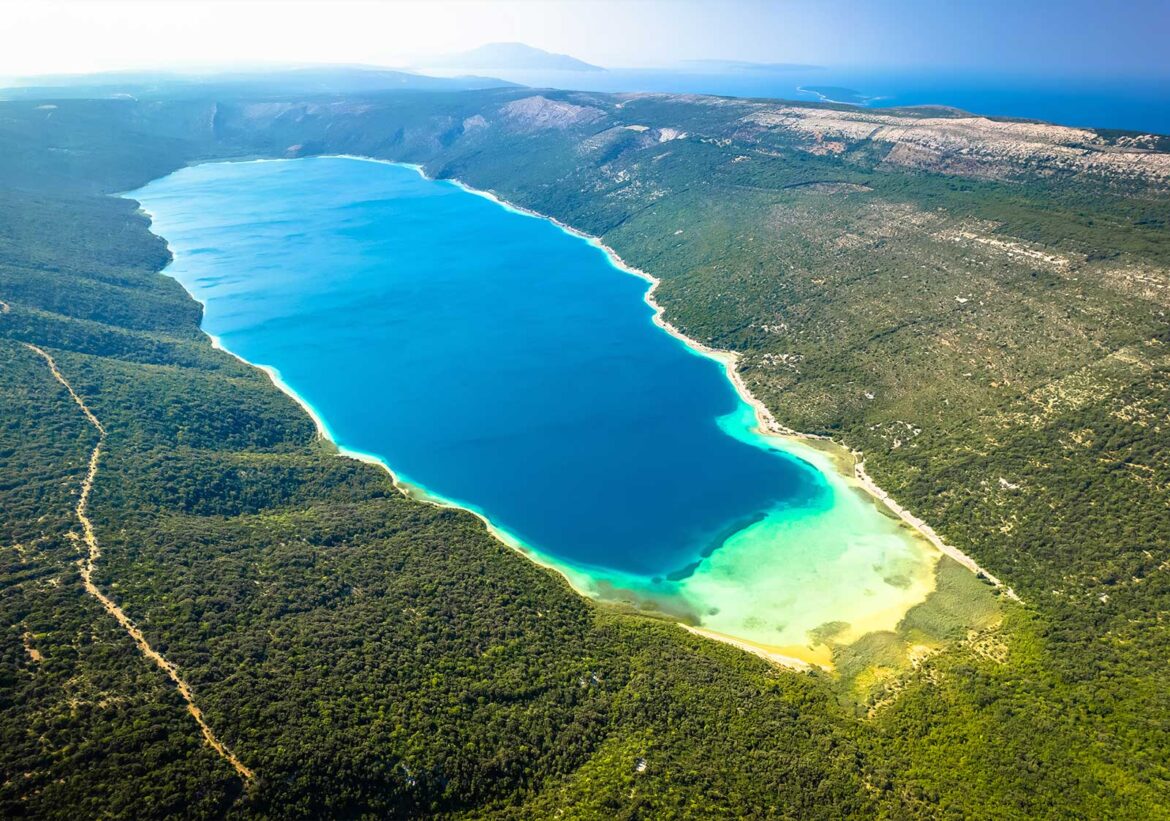
Just a few kilometres from Pirovac lies Lake Vrana, the largest natural lake in Croatia and a protected nature reserve. This unique ecosystem combines fresh and salt water, creating an ideal environment for rich fauna and flora. The lake is known above all as a paradise for birdwatchers, since many rare species live here, including herons, sea eagles and various kinds of ducks.

Pokračovať v čítaní “Lake Vrana – A Treasure Near Pirovac!”

Adriatic Winds: Nature’s Dance in the Breath of the Burin, Tramontana, Jugo and Maestral

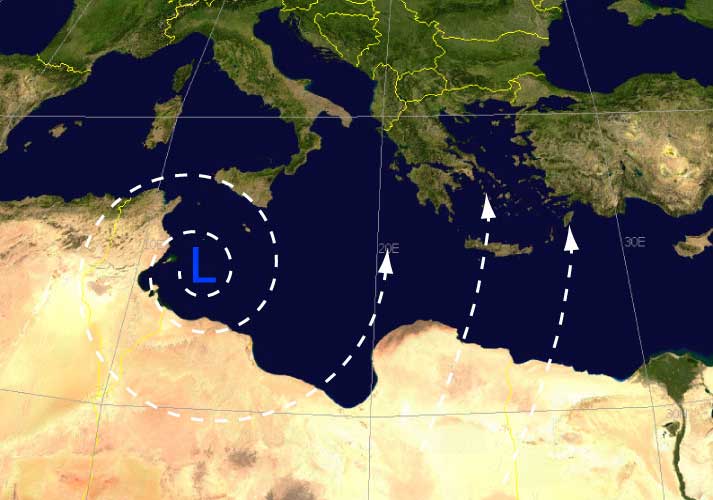
The Adriatic winds, each with its own character, create the unique atmosphere of the coast. From the gentle burin, which brings comfort at night and in the morning, through the mysterious tramontana, which brings beautiful weather, to the strong and dramatic sea wind jugo. In summer the Maestral, a favourite of sailors, refreshes a hot day with its pleasant breeze. Discover how these winds influence the mood of the sea, the land and life on the Adriatic coast.

Pokračovať v čítaní “Adriatic Winds: Nature’s Dance in the Breath of the Burin, Tramontana, Jugo and Maestral”

Donkey Races – A Fun Tradition from Croatia

Donkey races are a very interesting and entertaining tradition held in some areas of Croatia, including some parts of Dalmatia. These races have a long history and are popular at various local festivals and celebrations, especially in smaller towns and villages.

Donkey races in Croatia

History:

Donkey races have their roots in traditional shepherd culture. In the past, donkeys in Croatia and other south-eastern countries were used for work on farms and in the mountains. Since they are strong and resilient animals, it is no surprise that they became part of various local traditions, including these fun races.

How the races go:

Donkey races are usually held in open spaces, such as town squares or village roads. The participants, usually local farmers or residents, try to get their donkeys along the set route as quickly as possible. The races can be part of larger events, such as local festivals or celebrations.

Significance:

Donkey races are not only about speed, but also about traditional values such as cooperation between human and animal. Donkeys are often considered very intelligent and tenacious animals that deserve respect. The races are therefore also an opportunity to show this important connection between people and nature.

Fun for visitors

The races are very popular with tourists and locals alike. They are fun and often humorous events, with various accompanying activities such as traditional food, music and dancing. For children the races are often very interesting, because they can watch the funny performances of the donkeys and their handlers.

Where do donkey races take place?

Donkey races are often held in smaller towns and villages in Dalmatia, as well as in other regions of Croatia. These events are part of a wider cultural tradition and are often linked to local holidays or celebrations. In Pirovac or its surroundings you may come across these races during certain local festivals or holidays, although they are not held every year.

If you are interested in experiencing something truly traditional and unusual, donkey races are one of those great experiences that let you glimpse local culture and traditions.