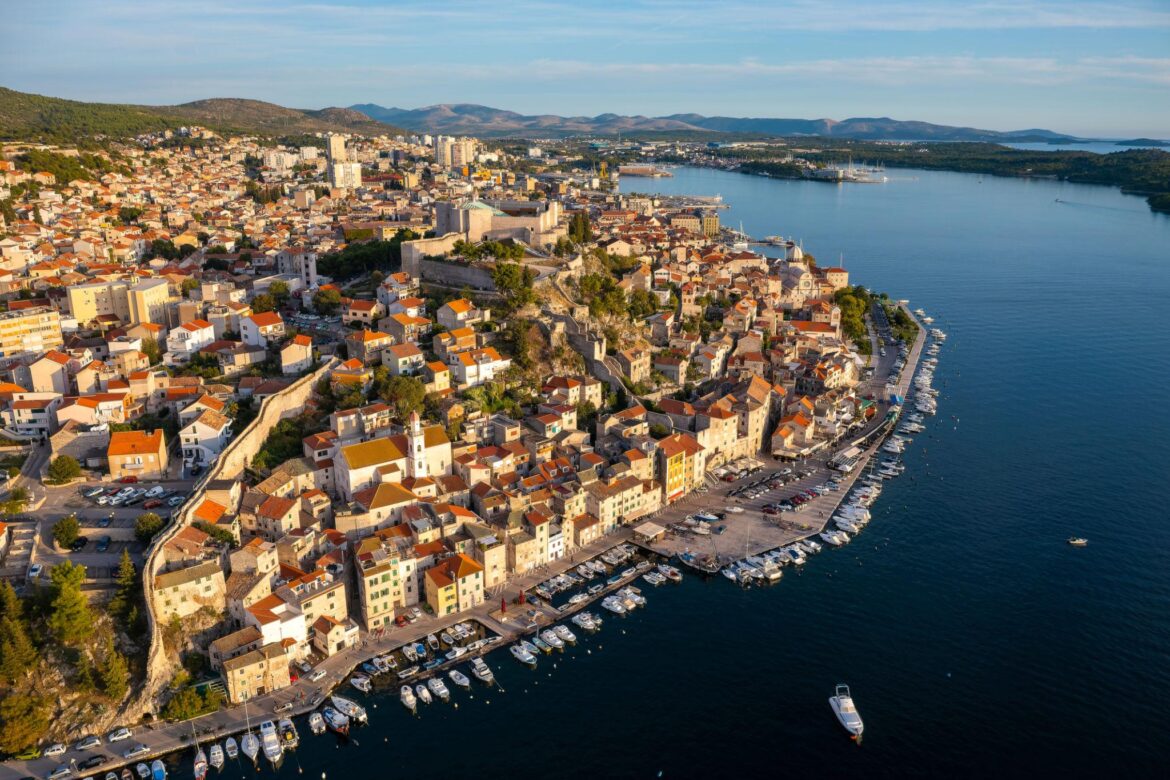
If you’re planning a holiday in the Croatian town of Pirovac, one of the first questions you’ll probably ask is which route is the best and how long the journey takes. The good news is that Pirovac is one of the easiest seaside destinations to reach on the Adriatic coast, with a comfortable drive almost entirely on modern motorways.
In this guide, you’ll find everything you need to know about the route, motorway tolls and useful travel tips.
Where Is Pirovac?
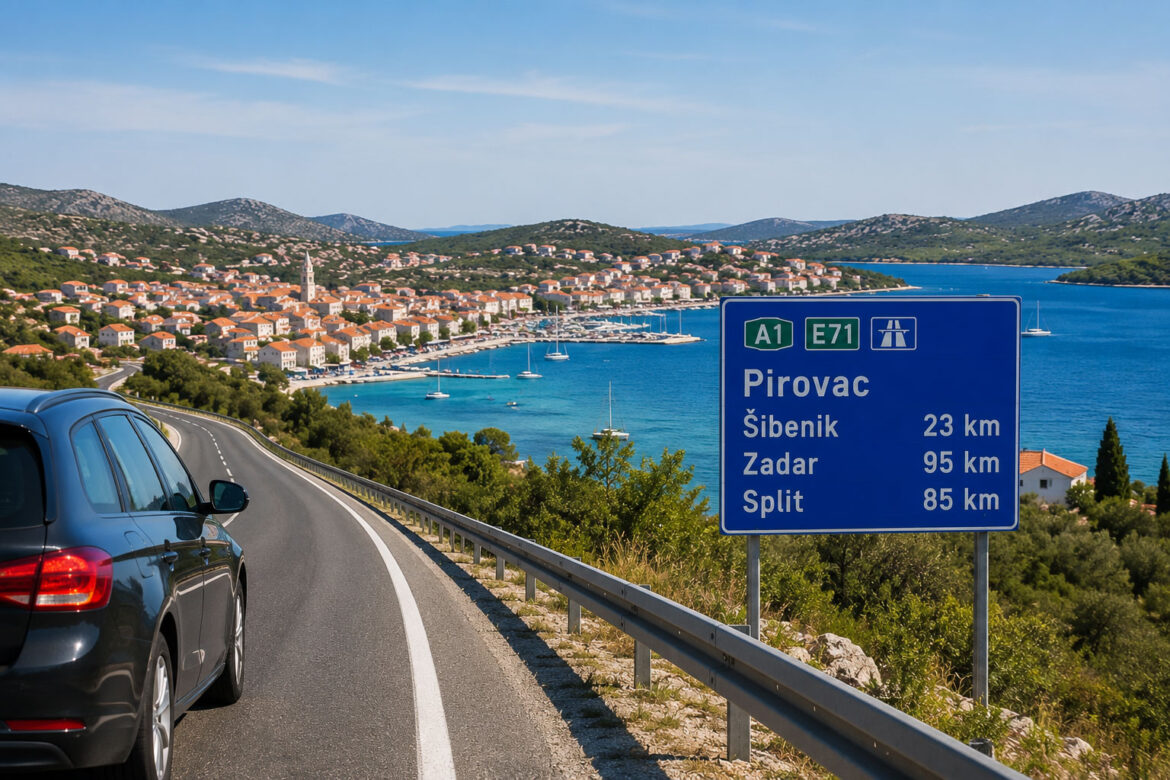
Pirovac is located in Northern Dalmatia, approximately halfway between Zadar and Šibenik. It is only a few kilometres from Croatia’s A1 motorway, making it one of the most accessible seaside resorts in the country.
Once you leave the motorway, it’s only about a 10-minute drive to the centre of Pirovac.
What Is the Most Common Route from Slovakia?
Most travellers from Slovakia take the following route:
Bratislava → Rajka → Hungary → Letenye → Croatia → Zagreb → A1 Motorway → Pirovac Exit
If you’re travelling from central or eastern Slovakia, your route naturally joins the Hungarian motorway network heading towards the Croatian border.
One of the biggest advantages of this route is that almost the entire journey is on high-quality motorways.
How Long Does the Journey Take?
Approximate driving times:
- Bratislava: around 7–8 hours
- Trnava: around 7.5 hours
- Nitra: around 8 hours
- Žilina: around 8–9 hours
- Banská Bystrica: around 8.5 hours
- Košice: around 11–12 hours
Travel time depends on traffic conditions, rest stops and your departure time. During peak summer Saturdays, expect longer travel times due to increased tourist traffic.
Which Motorway Tolls Will You Need?
Travelling from Slovakia to Pirovac involves three different motorway payment systems.
Slovakia
An electronic motorway vignette is required on Slovak motorways.
Hungary
Hungary also uses an electronic motorway vignette, which is best purchased before your journey.
Croatia
Croatia does not use motorway vignettes.
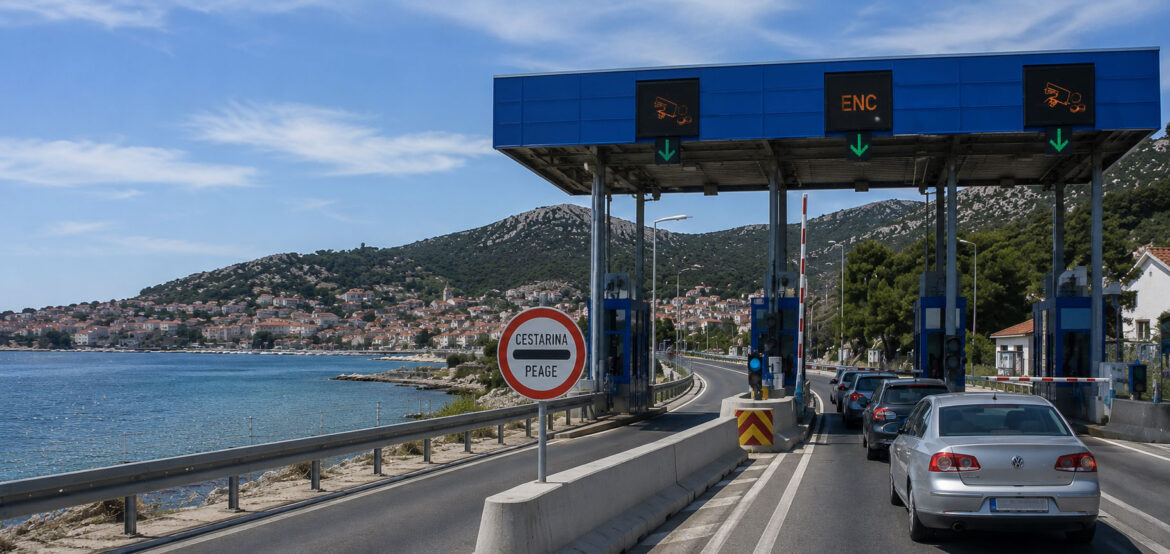
Instead, Croatian motorways operate with a toll system. When entering the motorway, you take a ticket and pay when leaving based on the distance travelled. Payment can be made by cash or credit card.
Which Currency Is Used?
Since 2023, Croatia’s official currency has been the euro (€).
This means there’s no need to exchange money before your trip. Most petrol stations, toll booths, restaurants and shops accept major credit and debit cards.
When Is the Best Time to Travel?
If you’re travelling during the summer season, it’s recommended to leave:
- in the evening,
- early in the morning,
- or avoid Saturdays, which are typically the busiest days on Croatian motorways.
The longest traffic queues usually occur around Zagreb and on the A1 motorway towards the Adriatic coast.
Where Can You Take a Break?
The Croatian A1 motorway offers numerous modern service areas.
Most include:
- Petrol station
- Toilets
- Restaurant or café
- Children’s playground
- Convenience store
It’s recommended to take a break every two to three hours while driving.
How Do Croatian Toll Booths Work?
When entering the motorway, you’ll receive a paper ticket.
When exiting, simply insert the ticket into the machine or hand it to the toll operator. The system calculates the toll based on the distance travelled.
You can pay using:
- Credit or debit card
- Cash (euros)
- ENC electronic toll device
ENC is particularly popular with frequent visitors because it offers faster passage through toll stations and discounted toll rates.
What Should You Check Before Leaving?
Before your trip, make sure you have:
- Valid travel documents
- Motorway vignettes for Slovakia and Hungary
- Proper tyre condition
- Working air conditioning
- Mandatory vehicle equipment
- Valid vehicle insurance
If you’re travelling with children, remember to bring plenty of water, snacks and plan regular breaks along the way.
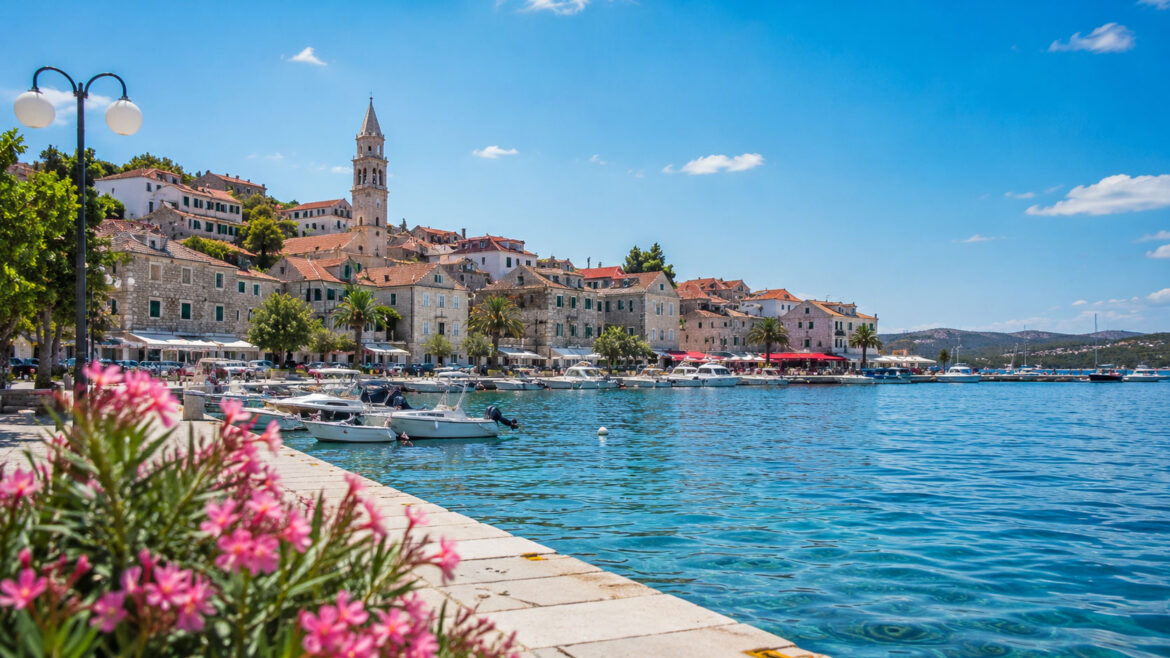
Why Do So Many Tourists Choose Pirovac?
One of Pirovac’s greatest advantages is its excellent accessibility.
After leaving the motorway, you’ll reach the town centre within just a few minutes, without having to drive long distances along narrow coastal roads.
That’s one of the reasons why Pirovac is especially popular with families and travellers who prefer a comfortable road trip.
Stay in Our Apartment and Enjoy a Stress-Free Holiday
Planning your Croatian road trip? Stay in our apartment and enjoy easy access, beautiful beaches, crystal-clear sea and the relaxed atmosphere of Pirovac. Thanks to its convenient location near the A1 motorway, your holiday begins almost as soon as you arrive.
Sources
Official Sources
Hrvatske Autoceste (HAC) – Toll Rates and Payment Methods
https://www.hac.hr/en/toll
Hrvatske Autoceste – Route Planning
https://www.hac.hr/en
Hrvatski Autoklub (HAK) – Live Traffic Information
https://www.hak.hr/en
Google Maps – Bratislava → Pirovac Route
https://maps.google.com
Additional Sources
Croatia Has No Vignette – 2026 Toll Guide
https://ontheroadcroatia.com/croatia-vignette-toll-2026/
Croatia Toll Roads Complete Guide 2026
https://tollguru.com/croatia-motorways-toll-prices-payment-information