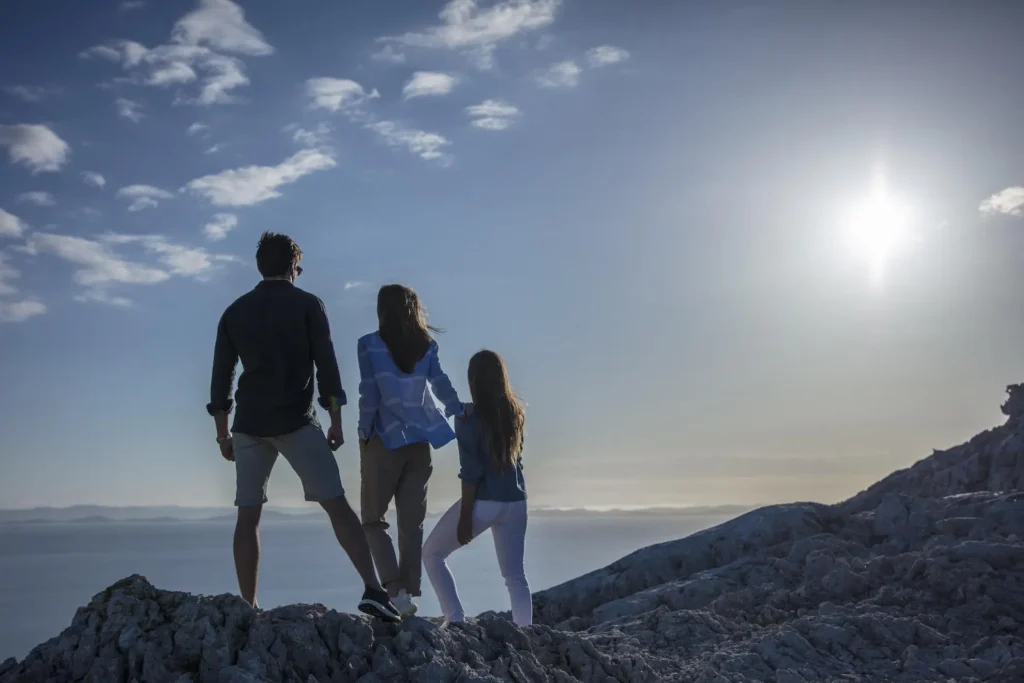
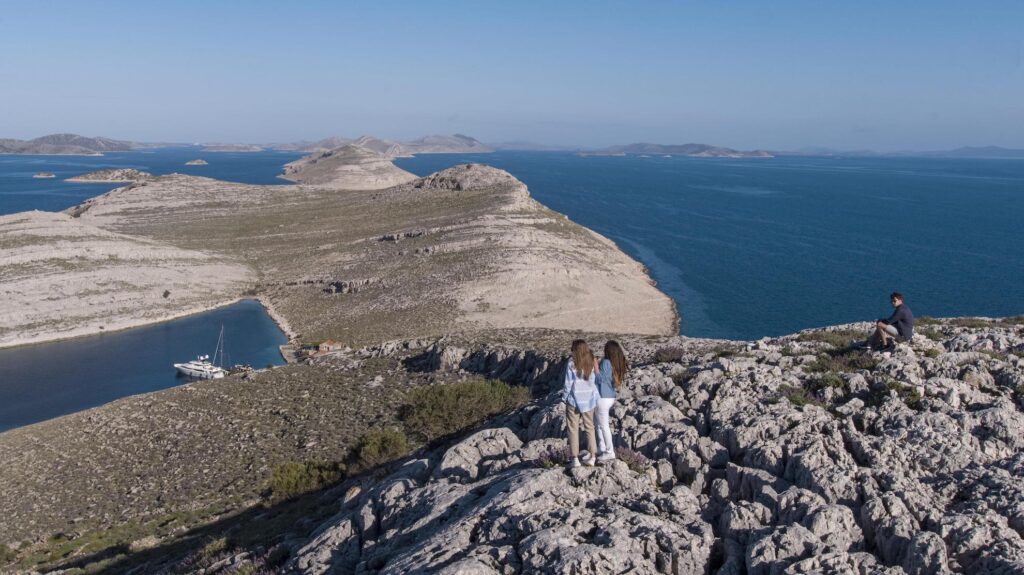
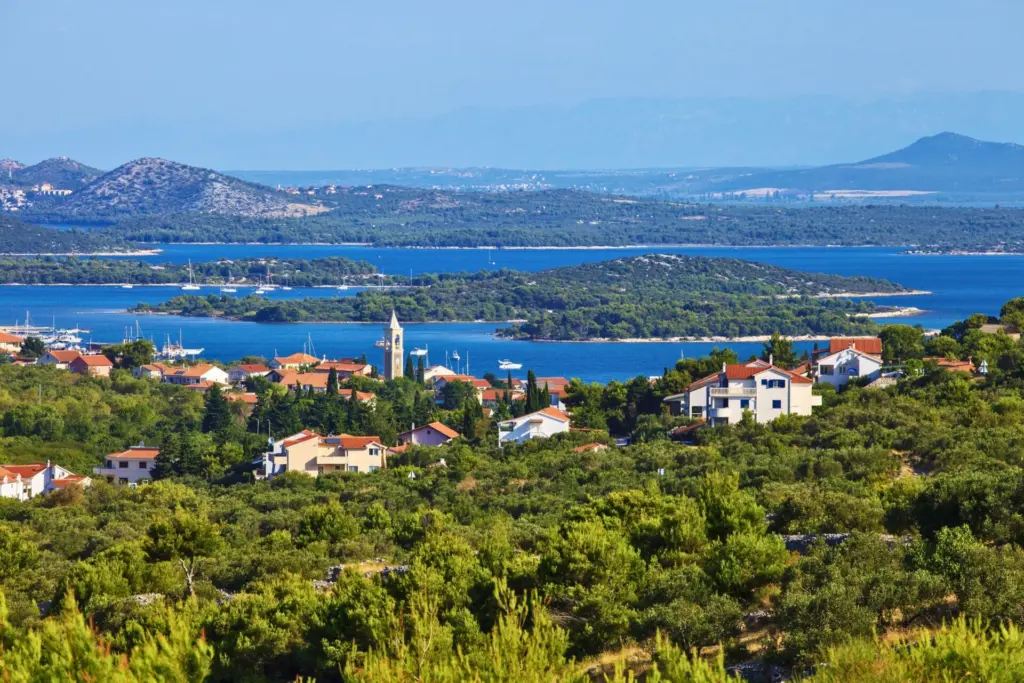
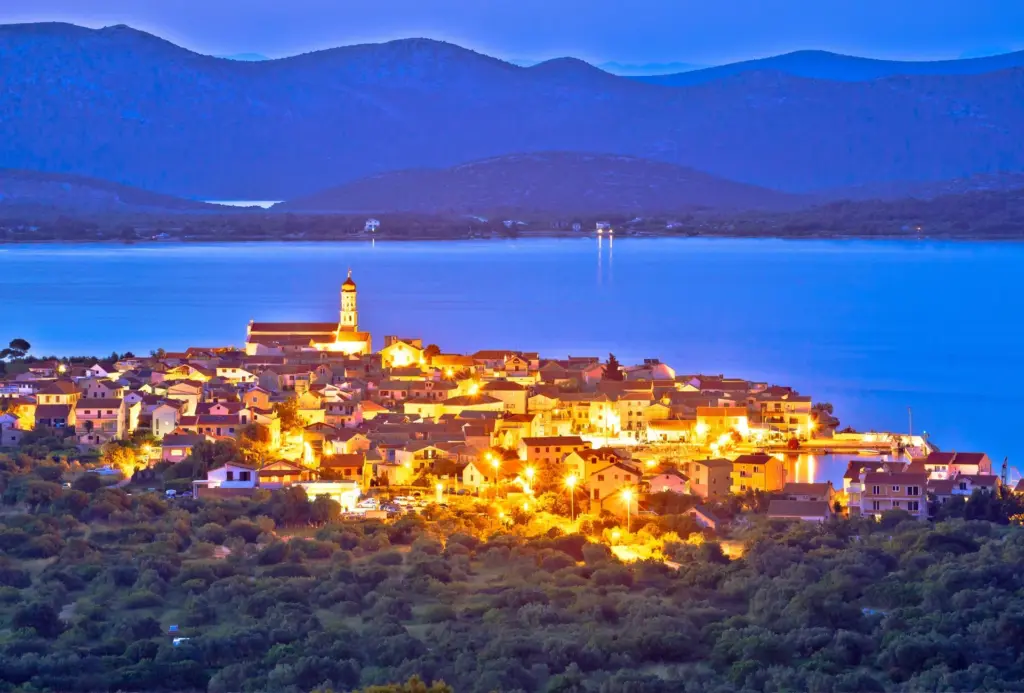
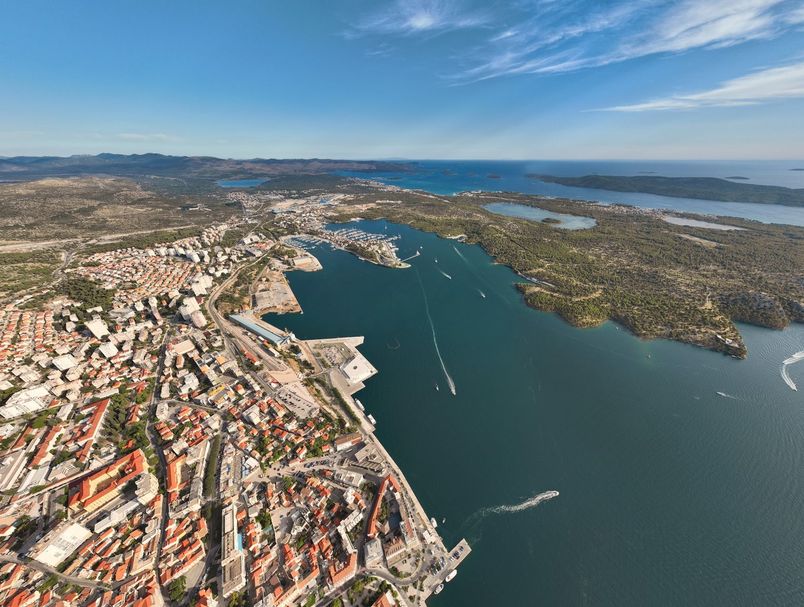
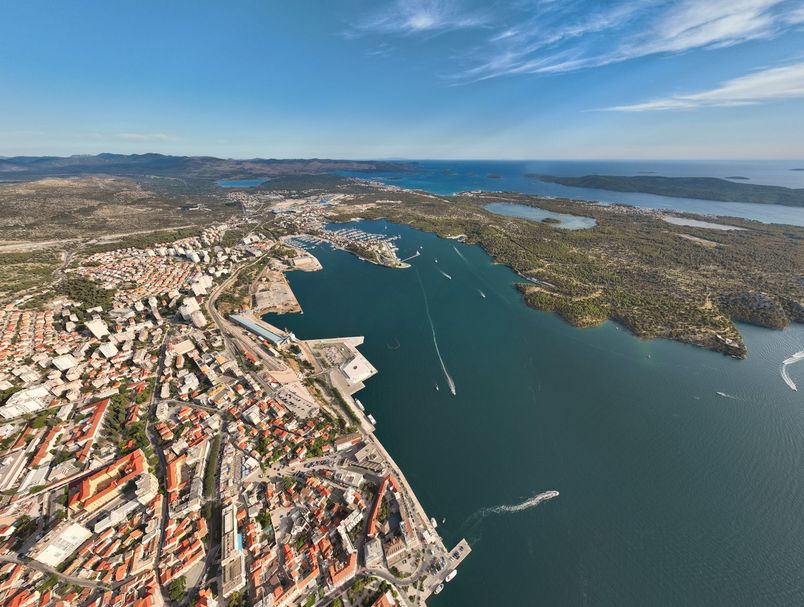
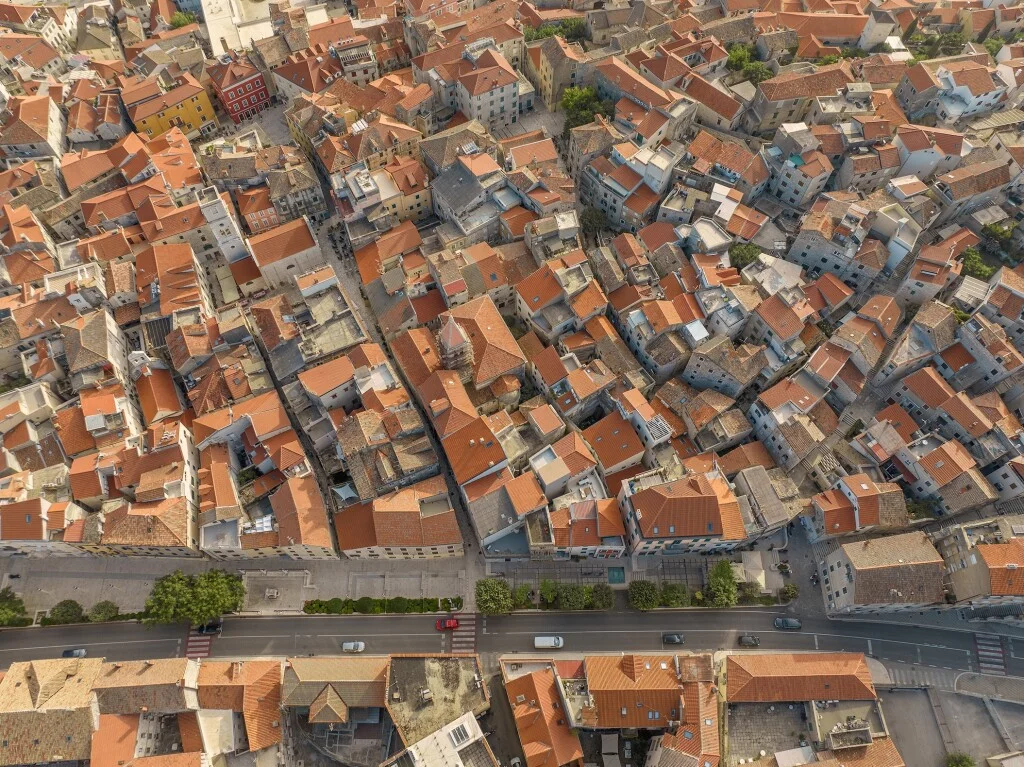
Pirovac offers excellent opportunities for walking and hiking, perfect for those who want to explore the natural beauty of this region. Whether you are an enthusiastic hiker or simply enjoy relaxing walks, Pirovac has something for everyone.
One of the favorite destinations for nature lovers is Makirina Hill. This picturesque hill offers spectacular views of the Pirovac Bay and the surrounding islands. The trail to the top is not too demanding, making it suitable for visitors of all ages. Along the way, you can enjoy the rich flora and fauna of the area, as well as the peace and quiet of the surrounding nature.
The nearby Tuštica Hill near Prosika is another excellent destination for hiking. This trail leads through beautiful landscapes, including dense pine forests and breathtaking panoramic views. At the top of the hill, you will be rewarded with a magnificent view of the nearby islands and the blue waters of the Adriatic Sea.
For those who prefer easier walks, Pirovac offers many paths through the hinterland and olive groves. Walking along these trails provides a unique opportunity to experience local agriculture and enjoy the scents of typical Mediterranean herbs.
No matter which route you choose, Pirovac will captivate you with its charm and rich natural heritage. 🌿
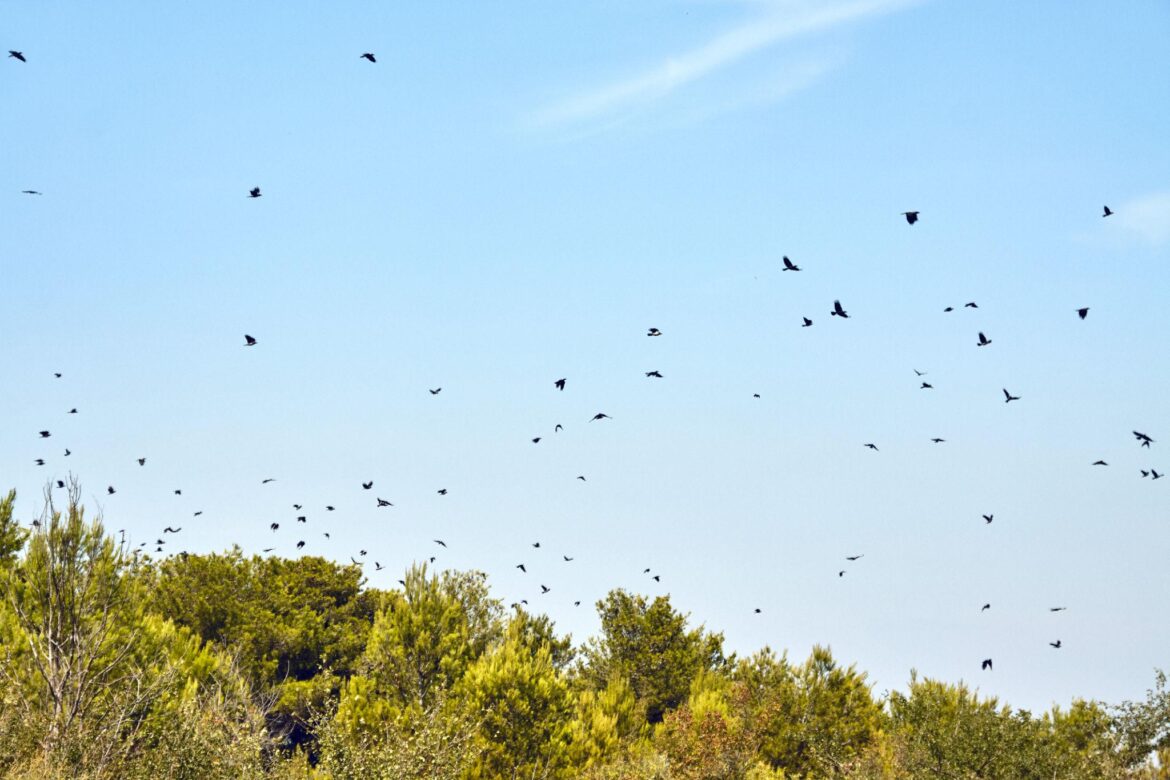
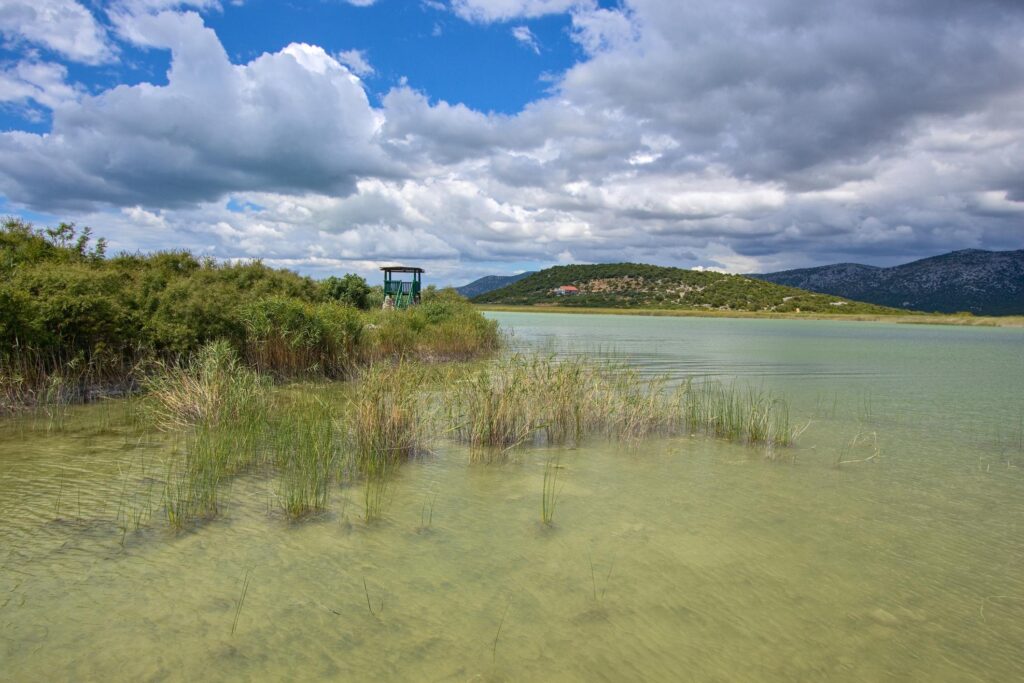
The Vrana Lake area is home to a large number of birds, and during the summer their population can reach up to 100,000 individuals. Out of a total of 251 bird species that live in the reserve or appear there periodically throughout the year, about 87 species can be found during the winter months. During migration periods, especially in summer and autumn, more than 140 species of birds temporarily stay at the lake.
There are even 13 species whose populations in this area are significant not only for their survival in Croatia, but also on a European and international level.
All of this makes Vrana Lake an ideal location for bird watching. Birds can be observed around the lake, and for a better viewing experience there are designated observation points along the trails, which are part of the ornithological reserve.
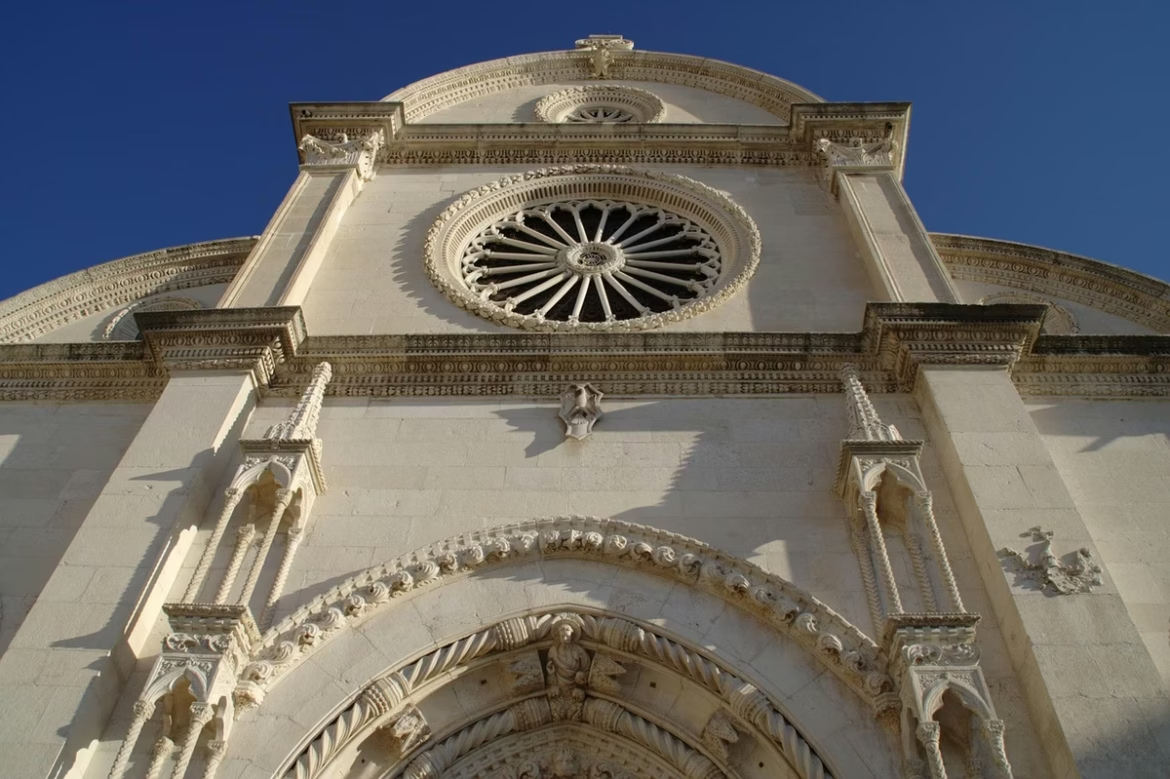
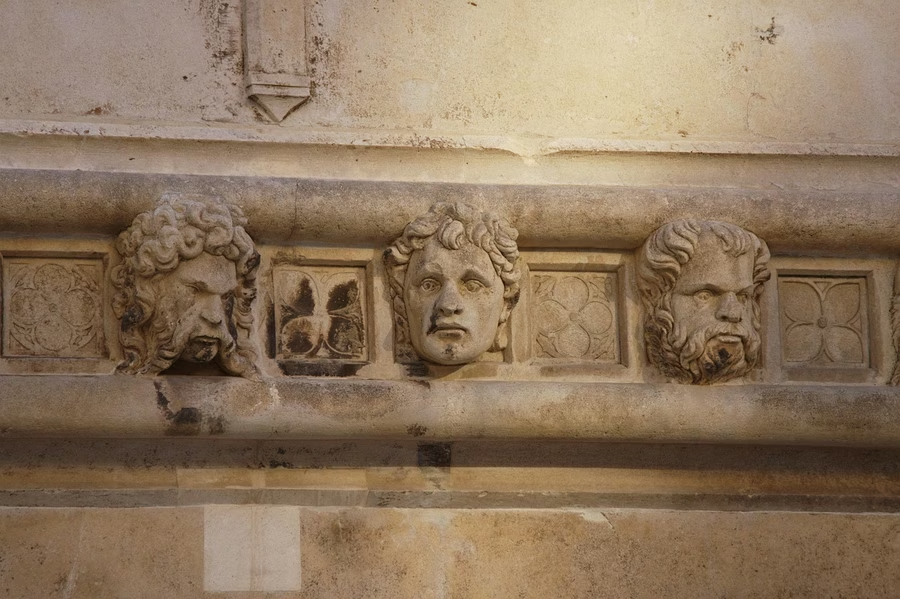
Nowhere else will you see something like this. The Cathedral of St. James in Šibenik is a blend of architectural genius and a gallery of 71 stone-carved heads.
Krešimir’s city, as Šibenik is also called, was the first city in the world with alternating current and the first city in Croatia to have public lighting – thanks to the hydroelectric power plant built on the Krka River in 1895. Šibenik is also one of the oldest towns on the Croatian coast, the birthplace of the great Dražen Petrović, a city of sports, fortresses, and culture. For centuries, however, it has also been home to the Cathedral of St. James, admired not only for its harmony and grandeur but also for its unique construction technique unmatched in all of Europe. This stone masterpiece is a monument to human creativity and perseverance, a symbol of Šibenik, and a place worth experiencing at least once in a lifetime, writes Putni kofer.
UNESCO World Heritage
The Cathedral of St. James stands out among European sacral buildings because it was built entirely of stone – without the use of binding materials such as mortar, and without wooden structures. Instead, master builder Juraj Dalmatinac designed an innovative system in which carefully crafted stone blocks were laid and joined together like a giant puzzle. This method, unique in European architectural tradition, places the Šibenik cathedral among the true wonders of world architecture.
Due to its exceptional value, the cathedral was inscribed on the UNESCO World Heritage List in 2000. In UNESCO’s explanation, the uniqueness of its construction is particularly emphasized, as well as the fact that the entire building – including the dome and vaults – was made exclusively of stone. According to UNESCO, this is a unique example in Europe and an important testament to the exchange of cultural and architectural influences between northern Italy, Dalmatia, and Tuscany in the 15th and 16th centuries.
Two Masters – Juraj Dalmatinac and Nikola Firentinac
Construction of the cathedral began in 1431 and lasted for more than a century. Its first chief builder was Juraj Dalmatinac, one of the most important architects and sculptors of the late Gothic and early Renaissance in Dalmatia. His work was marked by innovation – from the construction technique without binding material to sculptural details such as the famous gallery of 71 human heads on the exterior wall of the apse. After his death, the work was continued by Nikola Firentinac, who added Renaissance elements and completed the project into a unique whole.
71 Carved Heads as a Symbol
On the outer walls and facades of the cathedral lies a series of 71 carved human heads, which for centuries have aroused admiration and curiosity. Their origin and meaning have never been fully clarified, but historians assume that Juraj Dalmatinac immortalized real people he encountered during his stay in Šibenik.
Pixabay
The faces are diverse – from serious and dignified to slightly grotesque and caricature-like – suggesting that the author wanted to depict the variety of society at that time, from respected citizens and merchants to ordinary townspeople, and perhaps even his own acquaintances.
In addition to being an unrepeatable architectural masterpiece, the Cathedral of St. James also holds a strong symbolic role. Its dome, dominating the city’s panorama, served for centuries as a landmark for sailors and as a symbol of Šibenik’s strength and identity. Today, it is not only an unmissable site for visitors but also a vibrant gathering place for the local community.
How to Choose the Perfect Accommodation for Your Holiday on Murter Island?
Murter Island has been attracting families for years thanks to its beautiful sandy beaches, unspoiled nature, and diverse accommodation options.
If you are planning a family holiday on Murter, here are some tips on how to find the perfect place to stay.
Types of Accommodation on Murter – What to Choose?
On Murter, you can choose between apartments, hotels, or campsites. Each option has its own specific advantages, which we’ll look at in more detail.
The most important things when choosing accommodation on Murter:
Location:
Proximity to the beach for easier access to the sea.
Distance from the town center and restaurants.
Amenities:
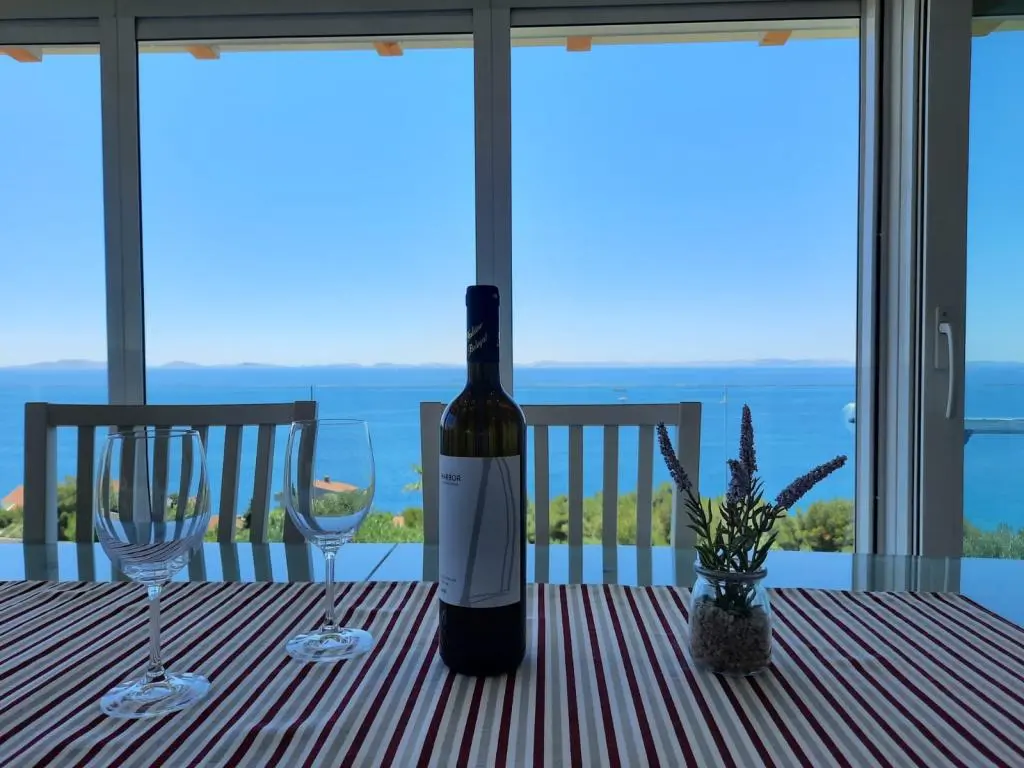
Availability of a swimming pool, boat mooring, or sea view.
Apartment facilities (kitchen, air conditioning, parking).
Family-friendly features, restaurants, bars, events, and entertainment.
Accommodation conditions:
Cancellation policy.
Pet-friendly options.
Guest reviews:
Always check the experiences of previous guests before booking.
Apartments Murter – The Most Popular Choice for Families
Apartments offer privacy, flexibility, and affordability, making them the top choice for families. Particularly popular are apartments with a pool, sea view, or boat mooring, which can also be found on Murter Online.
Apartments with a pool: Perfect for families with children – kids love pools, and parents can relax without going to the beach.
Apartments with a sea view: Provide a special atmosphere – from your morning coffee to the evening sunset.
Apartments with a boat mooring: Ideal for families who enjoy exploring nearby islets and hidden coves by boat.
Fishermen’s Houses and Robinson Houses
If you want to experience authentic Dalmatian charm and relax in harmony with nature, Murter also offers traditional fishermen’s houses and Robinson-style accommodations. These are perfect for those seeking peace and quiet, far from the hustle and bustle of the town.
Mobile Homes
Mobile homes are a great compromise between the comfort of an apartment and the closeness of nature. On Murter, you’ll find mobile homes located near beaches and campsites, equipped with modern facilities suitable for families.
Hotels Murter
If you prefer accommodation with additional services – such as restaurants, wellness, or room cleaning – then a hotel is the best option for you. Murter has family-friendly hotels that also offer special packages for children.
Campsites Murter – Nature and Adventure
Camping is ideal for families who love an active holiday in nature. Campsites on Murter are well-equipped, with plenty of facilities for children, and are usually located right by the sea.
Frequently Asked Questions about Accommodation on Murter
When should I book accommodation? The best prices and widest selection are available if you book several months in advance.
Are apartments on Murter suitable for small children? Yes, most apartments are family-friendly and offer extra amenities such as baby cots or high chairs.
What additional costs should I expect? In addition to the price of accommodation, expect tourist taxes and possible surcharges for pets.
Are pets allowed? Yes, many apartments allow pets by prior arrangement with the owner.
Conclusion
Murter offers a wide range of accommodation options suitable for every type of family. Whether you are looking for an apartment with a pool, a fisherman’s house for an authentic holiday, or a mobile home that combines comfort and nature – you will find the perfect option for an unforgettable vacation on Murter Online.
Book your stay today and enjoy a perfect family holiday on Murter Island!
SEASIDE APARTMENTS: HOW TO CHOOSE THE RIGHT ONE FOR YOU?
Seaside apartments attract tourists all year round, as the best accommodation units are often booked very quickly. But you may be wondering – which apartment is the most suitable for you? Every traveler has different needs and expectations, so choosing accommodation that matches your preferences is essential for an unforgettable holiday. Below, we bring you tips on how to find the perfect apartment tailored to your needs.
Apartments in Croatia
Seaside apartments in Croatia often put tourists before a difficult choice – picking the right one is not easy. The reason is clear: Croatia offers countless natural beauties, cultural landmarks, and historical sites, making it hard to decide near which of them you would like to spend your holiday. To find the ideal apartment, it is important to set your priorities. Do you want to enjoy the atmosphere of a historic old town, or would you rather stay just a two-minute walk from a beautiful beach?
Besides location, you should also consider other criteria related to the apartment itself. Amenities such as Wi-Fi, air conditioning, free parking, or a peaceful environment can determine whether it is the perfect choice for you. If you are not traveling by car, location becomes even more important – make sure the apartment is accessible by public transport and that you can easily reach all the places you wish to visit.
Source: Pexels/Jason Boyd
APARTMENT LOCATION
The PrivatniSmještaj.hr portal makes it easy to search for apartments by location – you can very quickly and simply choose accommodation based on where it is situated. On the homepage, just enter the name of the destination you want to travel to, add your check-in and check-out dates, and specify the number of guests for the booking. By clicking on the Search button, you will see all available apartments in the chosen destination and period.
If location is your main criterion when choosing the ideal apartment, you will find a map on the right side of the page. Seaside apartments can also be searched by selecting the option Search while moving the map. This way, you can view all available apartments in Croatia for your selected dates. You might even discover a new destination that wasn’t originally part of your plans.
PRICE OF SEASIDE APARTMENTS
Seaside apartments advertised on PrivatniSmještaj.hr offer competitive prices, as advertising is completely free for the owners. Set a budget for your holiday and consider how much of it you need to allocate to transportation and food. The remaining amount can then be used for accommodation.
It is recommended to start looking for apartments at least a few months before the start of the season to secure the best balance between the quality of accommodation and the price per night.
Source: Pexels/Ben Mack
WHAT SHOULD YOU NOT FORGET?
Most tourists first look at the photos of an apartment and its price, and only then check the location and amenities it offers. However, it is equally important not to forget to read the cancellation policy and booking conditions. Some accommodations charge extra for air conditioning or parking, so it’s good to know this information in advance to avoid unpleasant surprises. It’s also wise to choose an apartment with cancellation terms that suit you, as unexpected situations can always happen. If something in the listing is unclear, don’t hesitate to contact the hosts for further explanations or additional information.
Searching for a seaside apartment can sometimes be quite a challenge. It’s often difficult to find a balance between your wishes, budget, location, and needs. Thanks to location-based searches and filters – such as price per night, number of beds, number of bedrooms or bathrooms, type of accommodation, and many more – it is much easier to find the ideal seaside apartment on the PrivatniSmještaj.hr portal.
A holiday by the sea is for many families synonymous with sunshine, beaches, relaxation, and unforgettable experiences. To make sure everything goes smoothly and without unnecessary stress, one of the most important steps in planning is choosing the right accommodation.
Today, the range of options is wide – from apartments and hotels to campsites or mobile homes. Each has its specific advantages, and the right choice depends on your family’s needs and priorities.
What to Consider When Choosing Accommodation?
Location:
Proximity to the beach and easy access to the sea.
Distance from the town center, shops, and restaurants.
Facilities:
Kitchen, air conditioning, parking, internet.
Swimming pool, terrace with a sea view, or children’s playground.
On-site restaurants, bars, or entertainment programs.
Booking Conditions:
Cancellation policy and booking flexibility.
Possibility of bringing pets.
Guest Reviews:
Verified guest experiences often reveal more than a simple description.
The Most Popular Types of Accommodation by the Sea
Apartments The most common choice for families – offering privacy, flexibility, and affordability. Especially popular are apartments with pools, sea views, or mooring spots for boats.
Traditional and Robinson Houses Perfect for those seeking authentic atmosphere and tranquility away from the crowds – fishermen’s houses or secluded stone cottages.
Mobile Homes A compromise between the comfort of an apartment and closeness to nature. Modern, practical, and often located in campsites or directly by the beach.
Hotels For travelers who want everything taken care of – restaurants, wellness, cleaning services, or children’s entertainment programs. Hotels often offer special family packages.
Campsites Ideal for active holidaymakers. A mix of nature, freedom, and adventure with the convenience of modern seaside campsites.
Frequently Asked Questions About Accommodation
When to book? The best prices and widest choice are available when booking several months in advance.
Are apartments suitable for families with children? Most are, often providing baby cots or high chairs.
What extra costs to expect? Tourist tax or pet fees may apply.
Are pets allowed? Many places are pet-friendly, but it’s best to confirm in advance.
Conclusion
Whether you’re looking for an apartment with a pool, a traditional cottage for an authentic stay, or a hotel with services for the whole family, the right accommodation is key to a successful holiday.
Tip: Book early and choose according to your priorities – whether it’s proximity to the beach, a quiet environment, or rich services. That way, you’ll secure an unforgettable holiday experience without unnecessary worries.
Planning a summer holiday by the sea is exciting, but it can also be challenging – especially when you’re looking for accommodation that is comfortable, close to the beach, and still affordable. Many travelers ask themselves: How can I find affordable accommodation by the sea without giving up location, comfort, or atmosphere?
The good news is that there are several proven tips and tricks that will help you find the perfect seaside apartment at a price that won’t strain your budget.
Why is it worth searching smart?
Finding affordable accommodation is no longer just a matter of luck. What really matters is being informed, flexible, and choosing the right timing. Whether you’re drawn to authentic apartments in a small coastal village or holiday rentals near popular tourist hotspots, it’s important to know when and how to search.
The benefits of budget-friendly seaside accommodation
Staying by the sea doesn’t have to be luxury-priced to enjoy sunny days and the refreshing sea breeze. The right apartment will allow you to relax without financial stress. If you want to save money and still enjoy privacy, comfort, and even a touch of luxury, all you need to do is follow the right tips.
What to focus on when choosing?
last-minute offers and discounts
direct contact with local hosts
less-known but beautiful locations
bookings outside the peak season
Each of these tips can be the key to a successful booking. Because affordable accommodation by the sea is not an impossible mission – if you know where and how to look.
Source: Shutterstock
How to Find Affordable Accommodation by the Sea?
When we think about holidays, the first association is often the same – sunshine, beaches, and relaxation. The scent of salty sea air, sun loungers under the shade of pine trees, and evening walks along the promenade are what we look forward to for months in advance. But to make the summer truly enjoyable and stress-free, it’s important to know how to find affordable seaside accommodation – one that suits our needs, lifestyle, and budget.
An ideal holiday doesn’t necessarily mean luxury hotels and high expenses. More often, it comes down to smart decisions, the right timing, and a bit of research. Nowadays, it’s no longer enough just to browse adverts – if we want to secure budget-friendly seaside accommodation, we need to be strategic, informed, and ready for small compromises.
Since prices keep rising during peak season, it’s essential to have a plan that helps save money while still enjoying what matters most: proximity to the beach, a peaceful environment, basic comfort, and the feeling of a home away from home.
Today, seaside accommodation comes in many forms – from simple rooms and authentic seaside apartments to glamping cabins and private villas. The question is: how do we find what suits us best without going over budget? The key is knowing how to spot the right opportunities, follow reliable sources, and book at the right time.
Here are seven useful tips to find the best-value seaside apartments, whether you’re planning a weekend getaway, a family holiday, or a longer summer stay.
1. Plan Ahead
One of the most effective ways to find affordable seaside accommodation is to start your search several months before your trip. Early planning often gives you access to a wider selection of apartments, including those offering discounts for early bookings. Looking for accommodation well in advance means more options at better prices and avoiding last-minute stress. The sooner you book, the higher the chance of securing a seaside apartment close to the beach on the dates that suit you best.
2. Choose Less Touristy Destinations
If you want to find affordable seaside accommodation without the crowds and inflated prices, the answer often lies in choosing less popular locations. Instead of famous resorts, consider smaller coastal towns where accommodation is generally more affordable. These seaside apartments often provide an authentic experience, peace, and local charm, while still being budget-friendly. Affordable stays aren’t limited to large booking platforms – you can often find hidden gems along the coast that tourists haven’t yet discovered.
3. Contact Owners Directly
One of the most practical tips to save money is direct communication with apartment owners. By reaching out to locals directly, you can often agree on a lower price since there are no commission fees from booking platforms. This approach not only saves money but also often offers more flexible conditions – such as early check-in, late check-out, or additional benefits. If you know where to look and how to talk to hosts, direct contact can be the key to affordable seaside accommodation tailored to your needs.
Source: Shutterstock
4. Take Advantage of Last-Minute Deals
While early planning is a great strategy, sometimes the best way to find budget-friendly seaside accommodation lies in the last minute. Last-minute offers appear when owners want to fill available dates and offer significant discounts. If you are flexible with dates and can react quickly, a last-minute booking can be the perfect solution. Accommodation found this way often provides the same quality at a much lower price. You just need to know where and when to look.
5. Travel Outside the Peak Season
One of the best tips for finding affordable seaside accommodation is to choose the right travel time. Off-season periods – such as June or September – are usually much cheaper than the height of summer. Besides lower apartment prices, you’ll also enjoy more peace, less crowded beaches, and more pleasant temperatures. If your holiday isn’t tied to strict dates, this approach allows you to truly relax while saving money.
6. Follow Local Groups and Listings
Social media, local classifieds, and travel groups are often a treasure trove when searching for budget seaside accommodation. Owners frequently advertise available dates directly in Facebook groups or local platforms, without extra fees. Here you can find places that aren’t listed on major booking sites but offer an excellent price-to-quality ratio. These non-commercial channels are often the source of the best deals and give you the chance to communicate directly with the host.
Source: Shutterstock
7. Combine Transport and Accommodation
If you’re looking for a complete solution, it’s worth considering combined offers – especially if you’re traveling from farther away. Some hosts provide discounts if you book both accommodation and organized transport with them. In addition to saving money, these packages often include extra benefits like parking, bicycles, or local recommendations. When seaside accommodation comes bundled with easy transport, everything becomes simpler – especially if you’re planning to explore the islands without a car.
Knowing how to find affordable seaside accommodation means combining early planning, flexibility, and a bit of research. Whether you take advantage of last-minute opportunities, travel outside the main season, or contact hosts directly – there is always a way to find seaside accommodation that fits your travel style. And while planning your holiday, it’s also worth exploring how to discover the islands without a car – since the hidden spots by the sea often turn out to be the most beautiful and authentic.
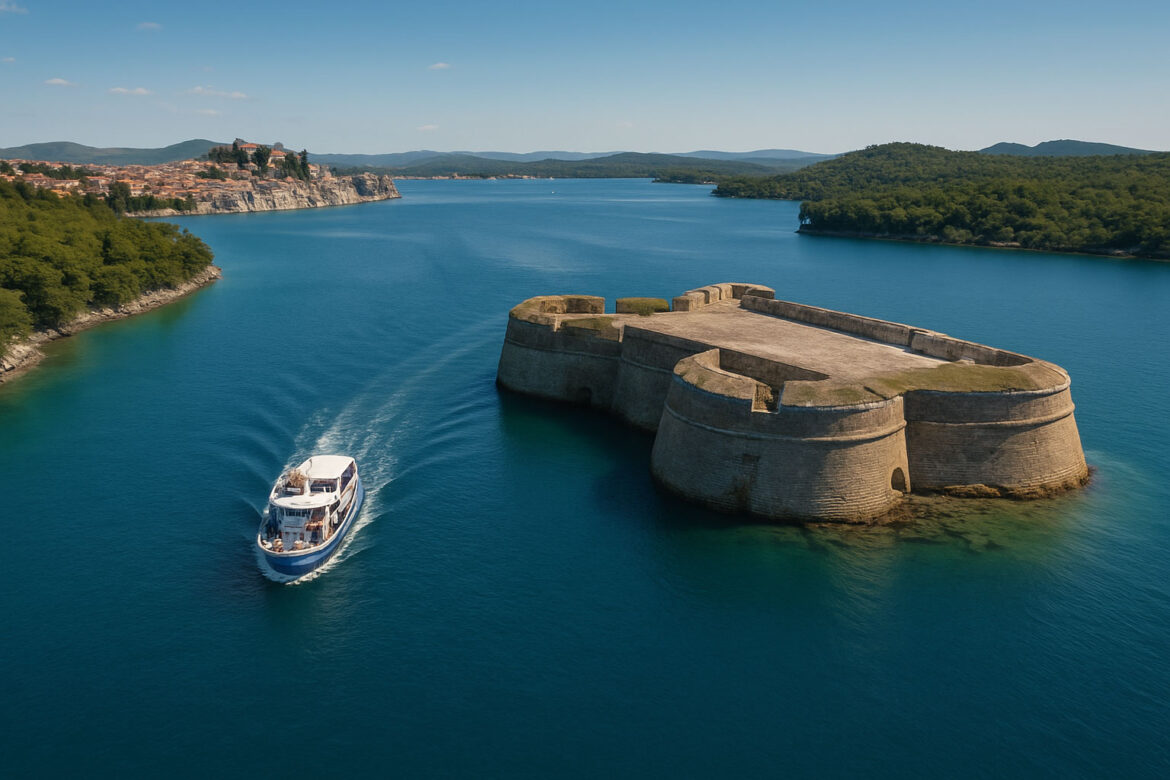
If you are planning a holiday in Šibenik or its surroundings, be sure not to miss a visit to St. Nicholas’ Fortress – a unique monument inscribed on the UNESCO World Heritage List.
A 2-hour experience full of history and natural beauty
The visit to the fortress lasts about two hours and begins with a boat trip from the port of Šibenik. On board, tour escorts are available, while inside the fortress multimedia guides help you discover its fascinating history and significance.
Panoramic views of Šibenik from the sea
During the boat ride, you will enjoy a unique view of Šibenik from the sea. The boat passes through the buffer zone of St. Nicholas’ Fortress, which forms part of the significant landscape “Channel – Port of Šibenik.”
Mediterranean nature and hidden landmarks
The area is known for its rich Mediterranean flora and fauna. It is here that the Krka River flows into the sea, and among the cliffs of the channel you can find cultural and historical monuments that enhance the atmosphere of the journey.
A UNESCO World Heritage Site
At the end of the boat trip, you will discover why St. Nicholas’ Fortress is considered one of the most precious historical treasures and is proudly listed as a UNESCO World Heritage Site.
In total, five Croatian islands are connected to the mainland by a bridge, and one of them is quite short! Discover the Croatian island that is closest to the coast, and the bridge that connects them.
Photo: Getty Images
Croatian islands are, according to many, the most beautiful places on our coast, and in the entire country. Rich history, a slower pace of life, enchanting coves… If you don’t like waiting for the ferry, the good news is that Croatia has five islands connected to the mainland by a bridge. But which Croatian island is the closest to the mainland? The answer to this question takes us to the magical Šibenik archipelago.
The Croatian island closest to the mainland had a bridge more than 200 years ago.
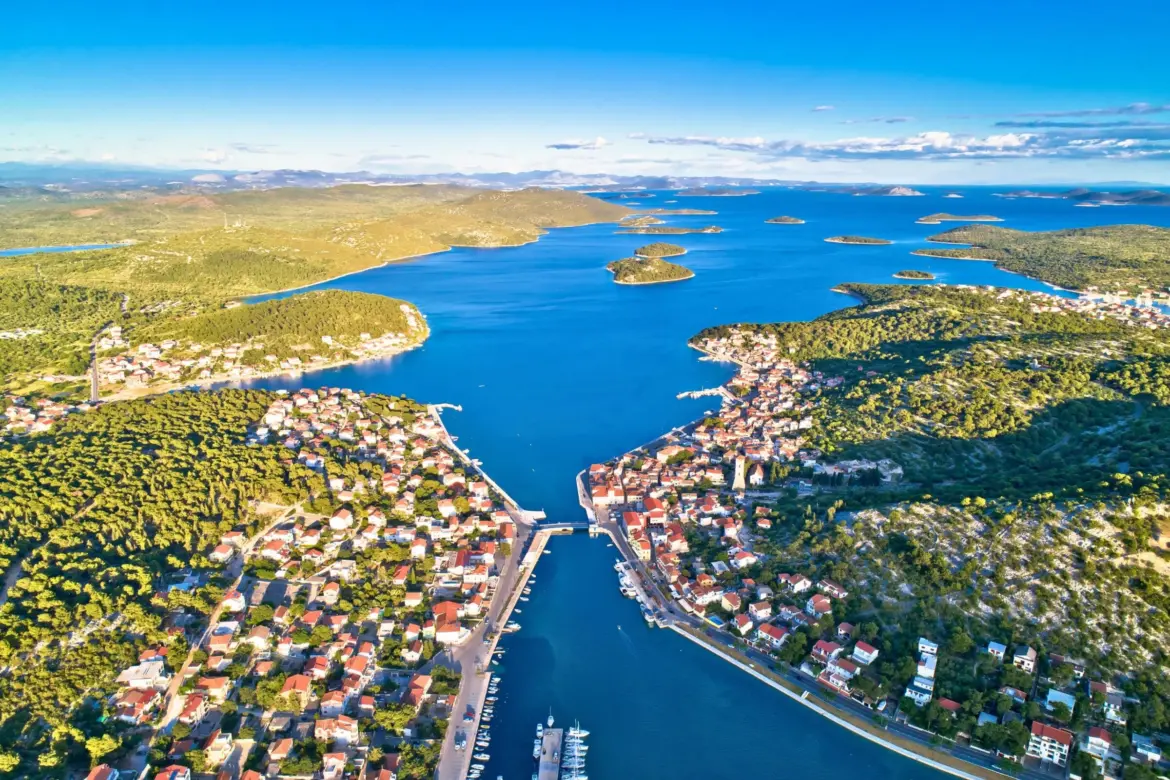
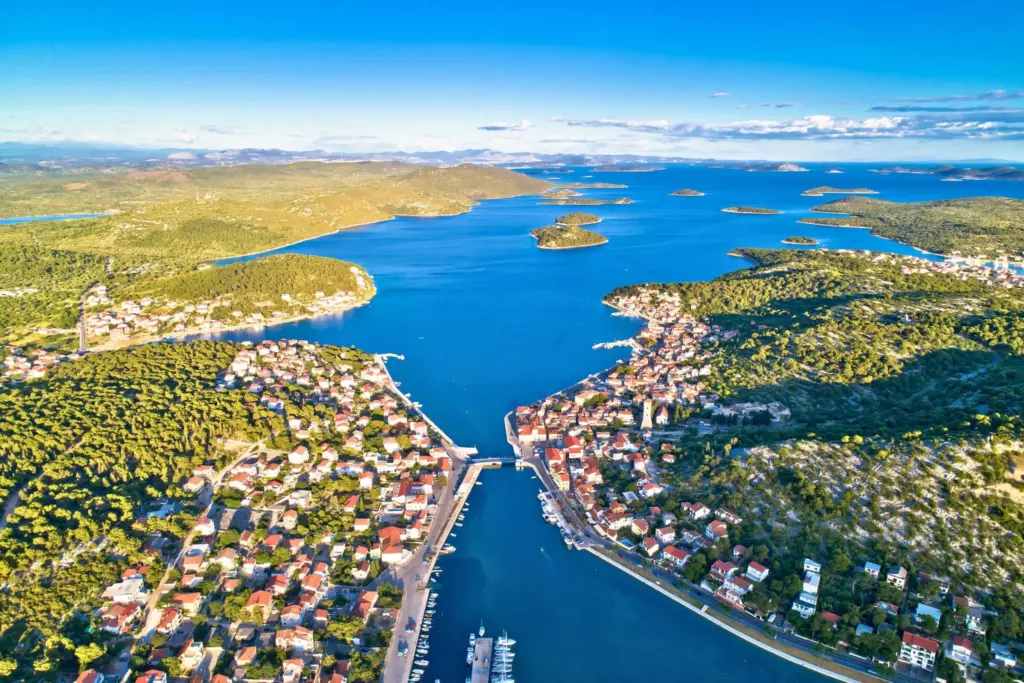
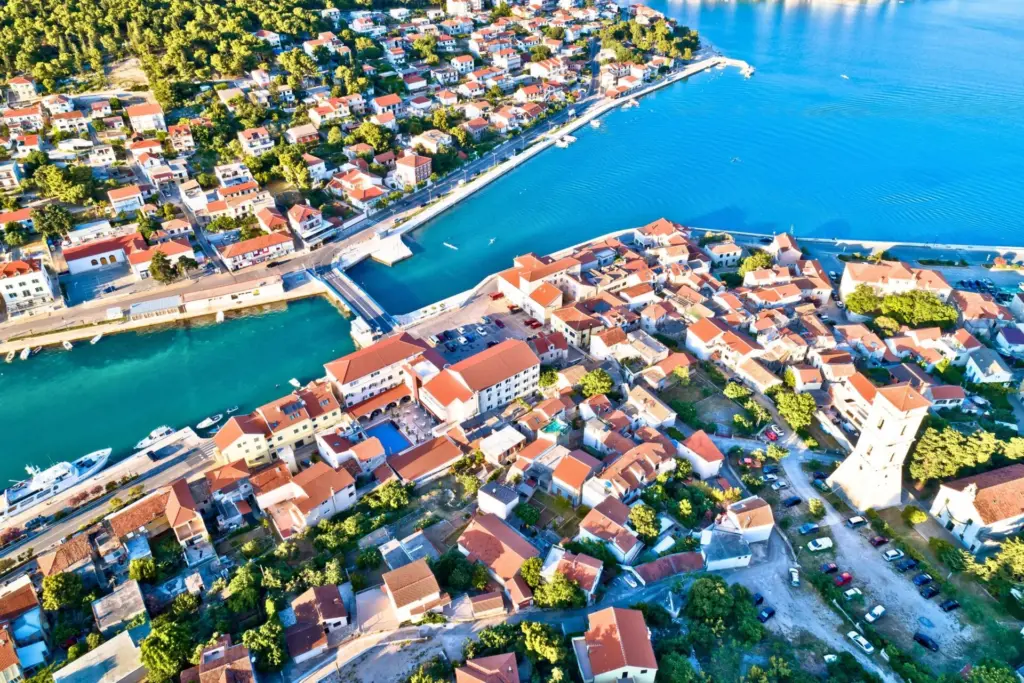
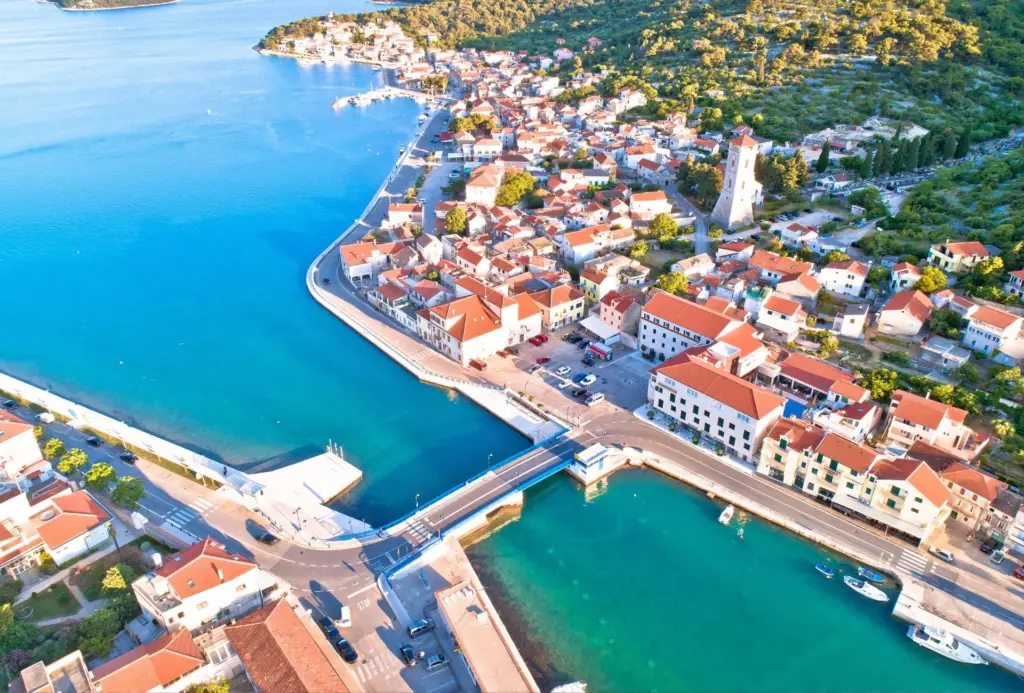
One of the islands you can reach without a ferry is Murter – the Croatian island closest to the mainland, which is connected to it by the Tisno Bridge, 12 meters long. The first bridge in Tisno was built at the beginning of the 18th century, and the Tisno Tourist Board notes that in 1968 it was replaced by a drawbridge, which has since been renovated several times. Today, this bridge is the only connection between the island of Murter and the mainland.
Murter, the Croatian island closest to the mainland, is connected to it by the Tisno Bridge (Photo: Getty Images)
Long ago, when there was an old wooden bridge here, it opened by moving to the side with manual power. At that time, there were no cars yet; people, donkeys, and carts crossed it. Today, this channel is spanned by a bridge built in 1989, designed to lift and lower vertically with hydraulic power.
The Croatian island closest to the mainland is Murter (Photo: Getty Images)
The Tisno Bridge is today a symbol of the place, and work and life on the island are planned around it.
The Tisno Bridge is raised twice a day to allow boats to pass. During the season, traffic stops at 9:00 a.m. and 6:00 p.m., and there is a twenty-minute wait for the vessels to pass. At that time, traffic jams often form, but once the bridge is lowered, traffic returns to normal. Outside the season, from September to May, the bridge is raised once a day, only in the morning. Life, work, and the leisure of tourists on the island are largely shaped by the schedule of the bridge lifting, but most agree that this is still a smaller inconvenience compared to waiting for and traveling by ferry.
Murter (Photo: Getty Images)
MURTER: THE GATEWAY TO KORNATI WITH RICH GASTRONOMY AND UNTOUCHED NATURE
The island of Murter is adorned with beautiful nature, pine forests, crystal-clear sea, and magnificent gastronomy. Thanks to its proximity to Kornati National Park, it is often called the “Gateway to Kornati.” The island is a popular destination for sailors, with numerous marinas and anchorages, and during the summer months, many fishing festivals and gastronomic events take place here. Some of the most famous places on this island near Šibenik are Jezera, Betina, and Murter, but every corner is worth exploring. All it takes is crossing the famous Tisno Bridge.
“Photographs from the air and the ground on this journey are not just images – they are fragments of my experience of the city. Šibenik is a place where past and present meet in a perfect frame, where the sea, stone, and people create a story worth telling again.”
Šibenik (Photo:Boris Trogrančić)
The wandering photojournalist Boris Trogrančić usually amazes us with his shots from Bosnia and Herzegovina, but this time he brings breathtaking views of Šibenik. He visited the city on the occasion of a concert at St. Michael’s Fortress, where the musical virtuosos SatchVai (Joe Satriani and Steve Vai) performed as part of their major European tour.
“Some cities win you over at first sight – and Šibenik does it both from the sky and from the ground. Recently, I had the chance to visit this Dalmatian gem during the SatchVai concert and, through my lens, discover its many layers – from stone-paved streets to the blue horizon,” says the photographer, adding:
“The first impression from a bird’s-eye view takes your breath away – a network of narrow streets winding towards the fortresses, surrounded by the sea shimmering in the sunlight. From above, you can clearly see how the city grew and protected its borders over the centuries – from St. Michael’s Fortress to the mighty St. Nicholas Fortress at the entrance to the St. Anthony Channel.”
Šibenik – 3 (Photo: Boris Trogrančić)
A walk through the city reveals a different perspective – the Cathedral of St. James, a stone masterpiece listed as a UNESCO World Heritage Site; the narrow stairways inviting you to peek into hidden corners; and the picturesque waterfront, where the scent of the sea blends with the sounds of street cafés.
Šibenik is a unique story on the Adriatic – the oldest native Croatian city on the coast, first mentioned in 1066 in the charter of King Petar Krešimir IV. This historical imprint can be felt at every step, whether you are looking at the medieval walls or losing yourself in the colorful details of the old facades.
“This time, for me, Šibenik was also a city of music. The SatchVai concert brought virtuoso guitar tones that merged with the Šibenik night, creating an atmosphere not to be forgotten. The music and the city breathed together, and I tried to capture that energy through my photographs,” describes Boris Trogrančić, whose photos you can see in the gallery at the beginning of the article.
“Photographs from the air and the ground on this journey are not just images – they are fragments of my experience of the city. Šibenik is a place where past and present meet in a perfect frame, where the sea, stone, and people create a story worth telling again. Even though my visit was short, I am certain I will return to Šibenik again!” – beautifully described by Boris Trogrančić, who you can also follow on YouTube.